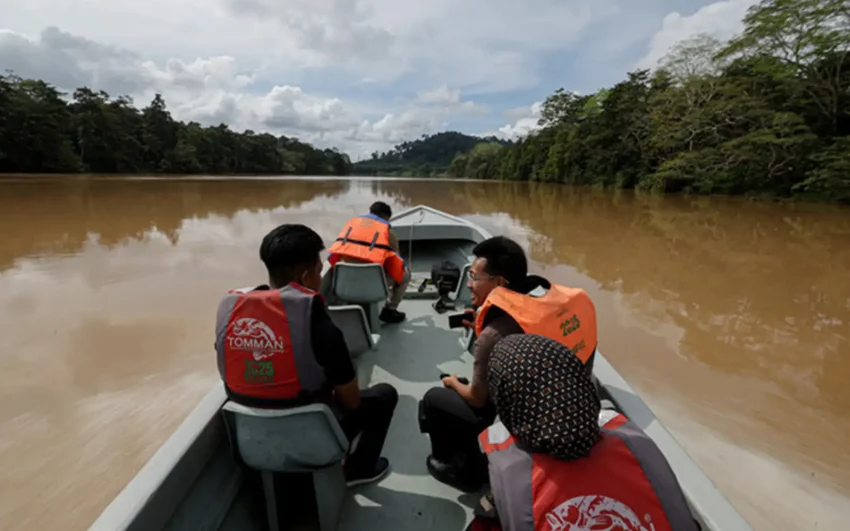
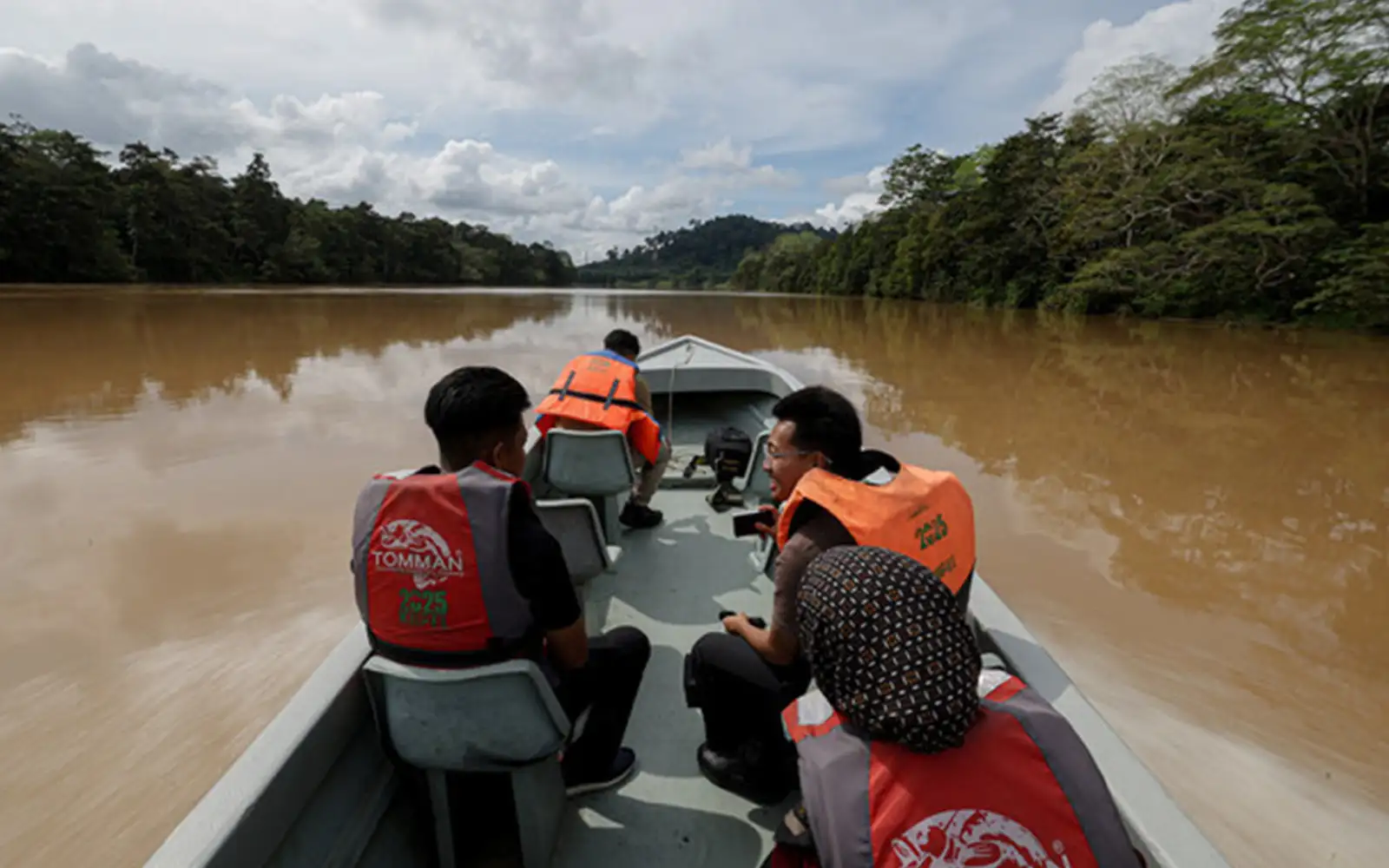
KINABATANGAN: Three decades ago, youths in Mukim Batu Puteh could only watch tourist boats glide along the Kinabatangan River, with little economic spillover for their village.
Today, they are steering these very tourist boats.
Driven by the Batu Puteh Sub-District Tourism Cooperative, or Kopel Bhd, the once-sleepy community has grown into a standout example of community-based tourism.
Established in 2003, the cooperative traces its roots to a 1996 conservation initiative that taught villagers a crucial lesson – nature, if protected, can also provide.
“We realised the forest was not just to be used, but to be managed wisely,” said Kopel general manager Saidal Udin, 43.
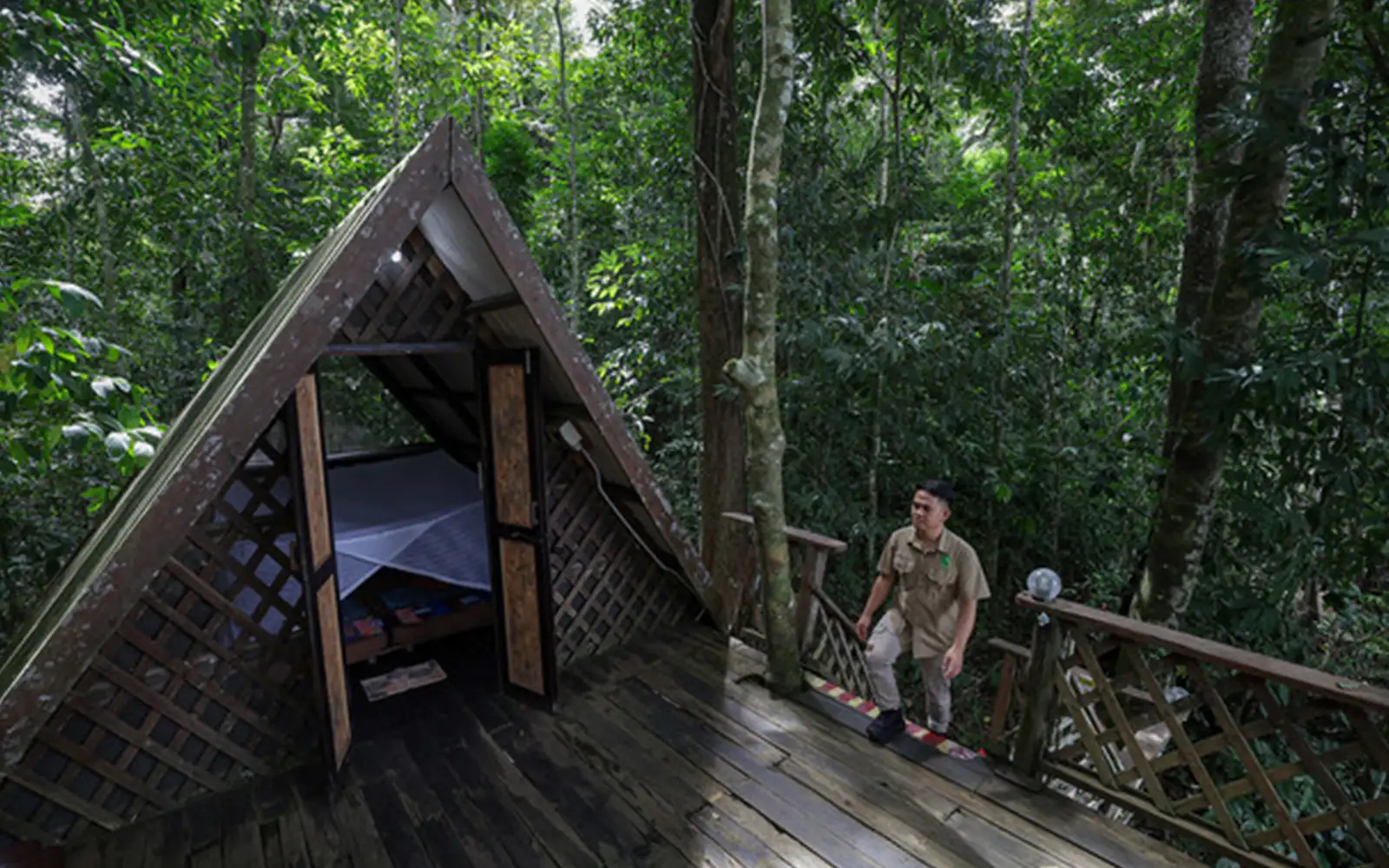
What began as a small homestay programme has evolved into a range of eco-accommodation options, drawing 3,000 to 4,000 visitors a year, many of them international student groups seeking hands-on rainforest experiences.
The highlight is the Kinabatangan River safari, where Sabah’s wildlife “Big Five” – pygmy elephants, orangutans, proboscis monkeys, hornbills and crocodiles – can often be spotted along the muddy banks. Once famed as one of Southeast Asia’s prime wildlife corridors, the river is now the lifeblood of Batu Puteh’s economy.
In 2021, the village was named Best Tourism Village by the United Nations World Tourism Organisation, boosting its global profile. The nearby Pin-Supu Forest Reserve later earned Green List status from the International Union for Conservation of Nature.
But Kopel’s appeal goes beyond sightseeing. Visitors are invited to plant trees, monitor water quality and assist in cave restoration – turning tourism into a working model of the green economy.

“This is not a tourism gimmick, but a genuine green economy model that creates jobs while nurturing a strong sense of environmental stewardship among residents,” Saidal said.
To strengthen resilience, the cooperative has diversified into agriculture, managing a 283-hectare oil palm plantation and cultivating Red Durian, or marang, to reduce reliance on tourism alone.
Nearly 90% of Kopel’s workforce are youths under 40, employed as guides, boat operators and conservation staff. For many, it is more than a job – it is a pathway.
Boatman Mohd Hasri Raman, 47, once made a living fishing these waters. Today, he ferries visitors from around the world, proof that along the Kinabatangan, conservation has not only protected wildlife – it has reshaped livelihoods.