
PETALING JAYA: Malik Yatam was forced to quit school at the age of 13, then left Sabah a year later for a job in West Malaysia. It was a journey that landed him in prison for murder, culminating 24 years later in a doctorate earned behind bars.
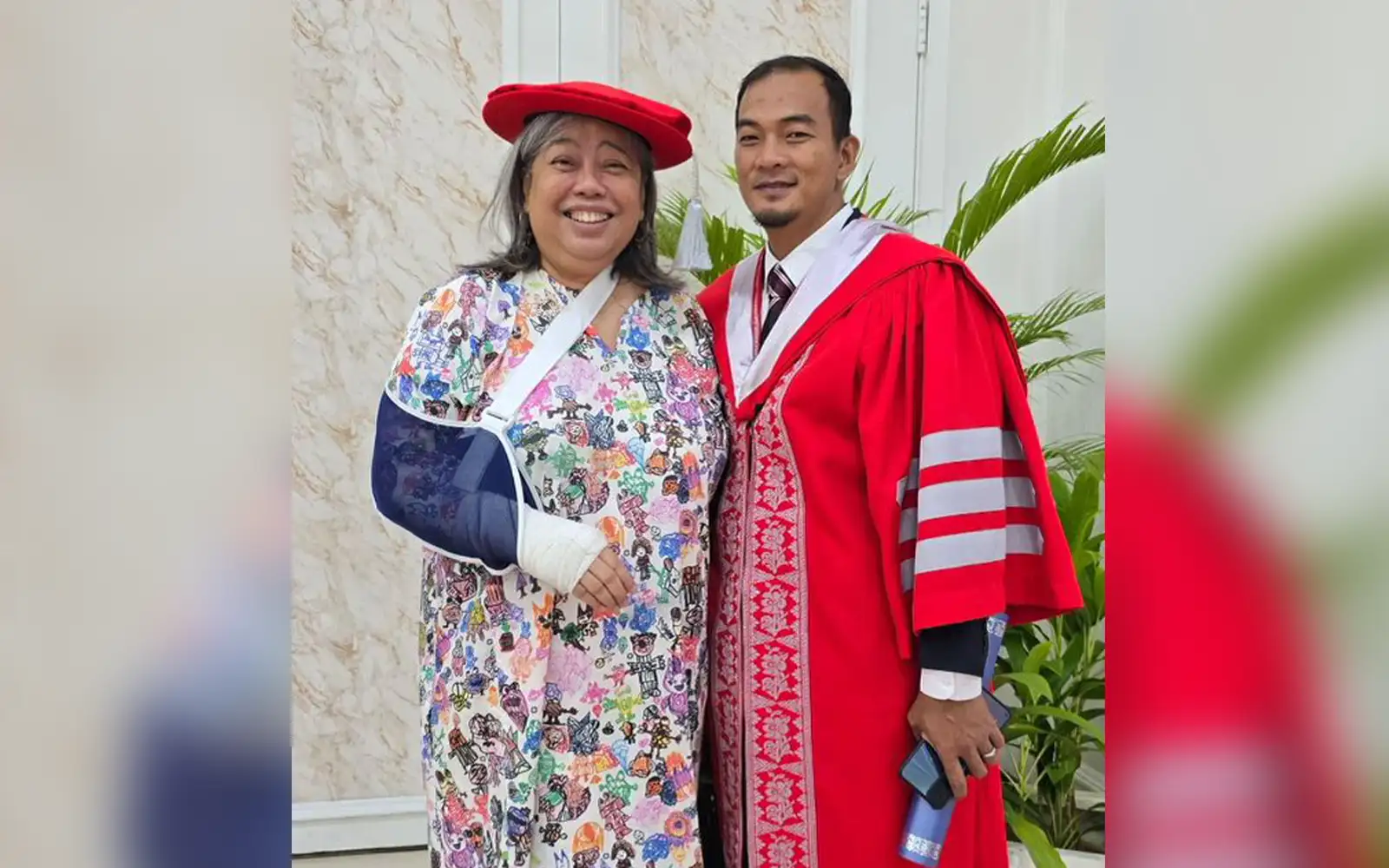
Now he is “Dr Malik Yatam”, with a PhD in business administration, after a tumultuous 30 years during which he pulled himself out of the darkness of prison life, by putting himself to school while still behind bars.
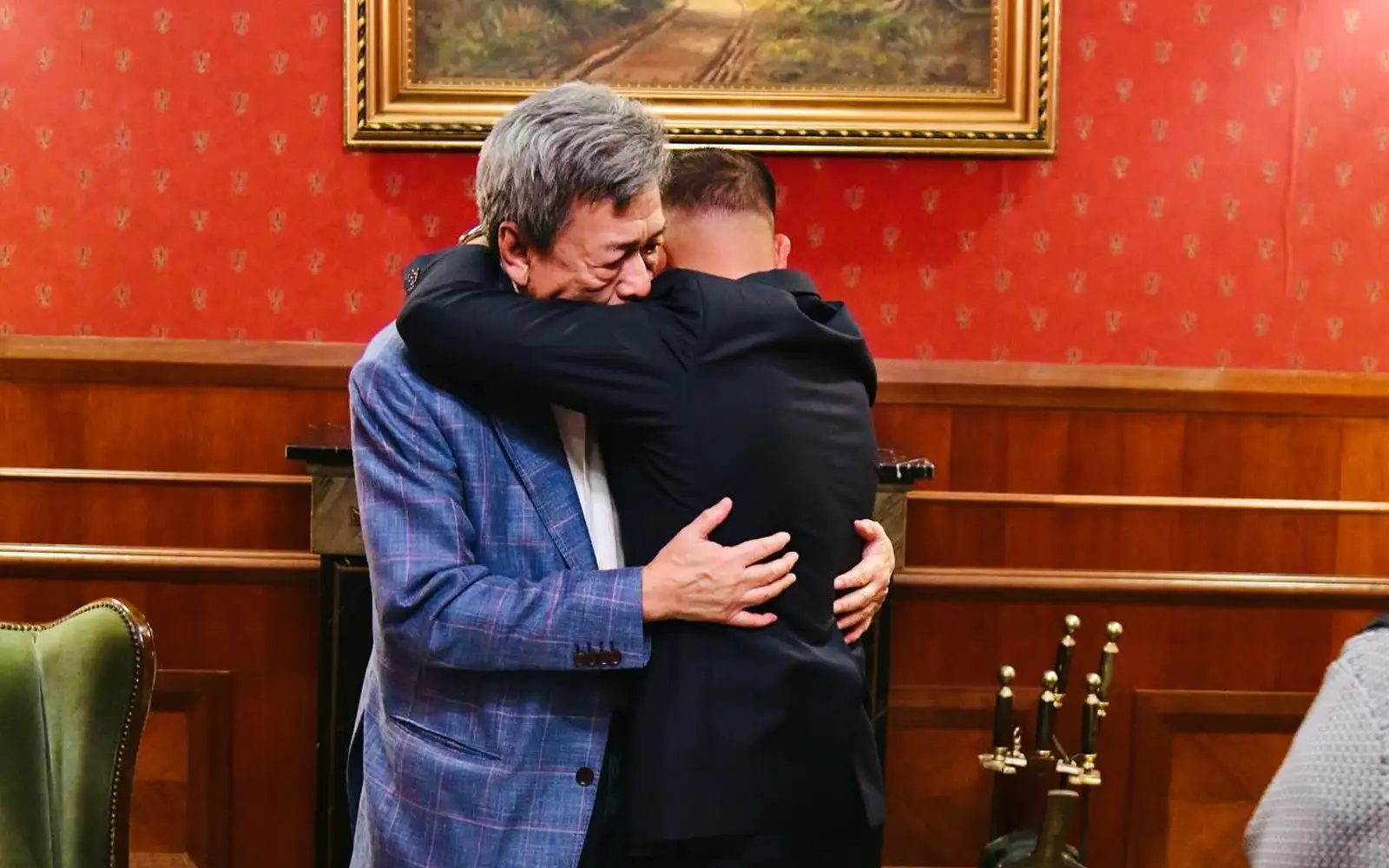
It was a journey of hope, that would end in his being granted a full pardon by the Sultan of Selangor, Sultan Sharafuddin Idris Shah, and a date at the palace last week, where he flung his arms around the ruler in gratitude and thanks.
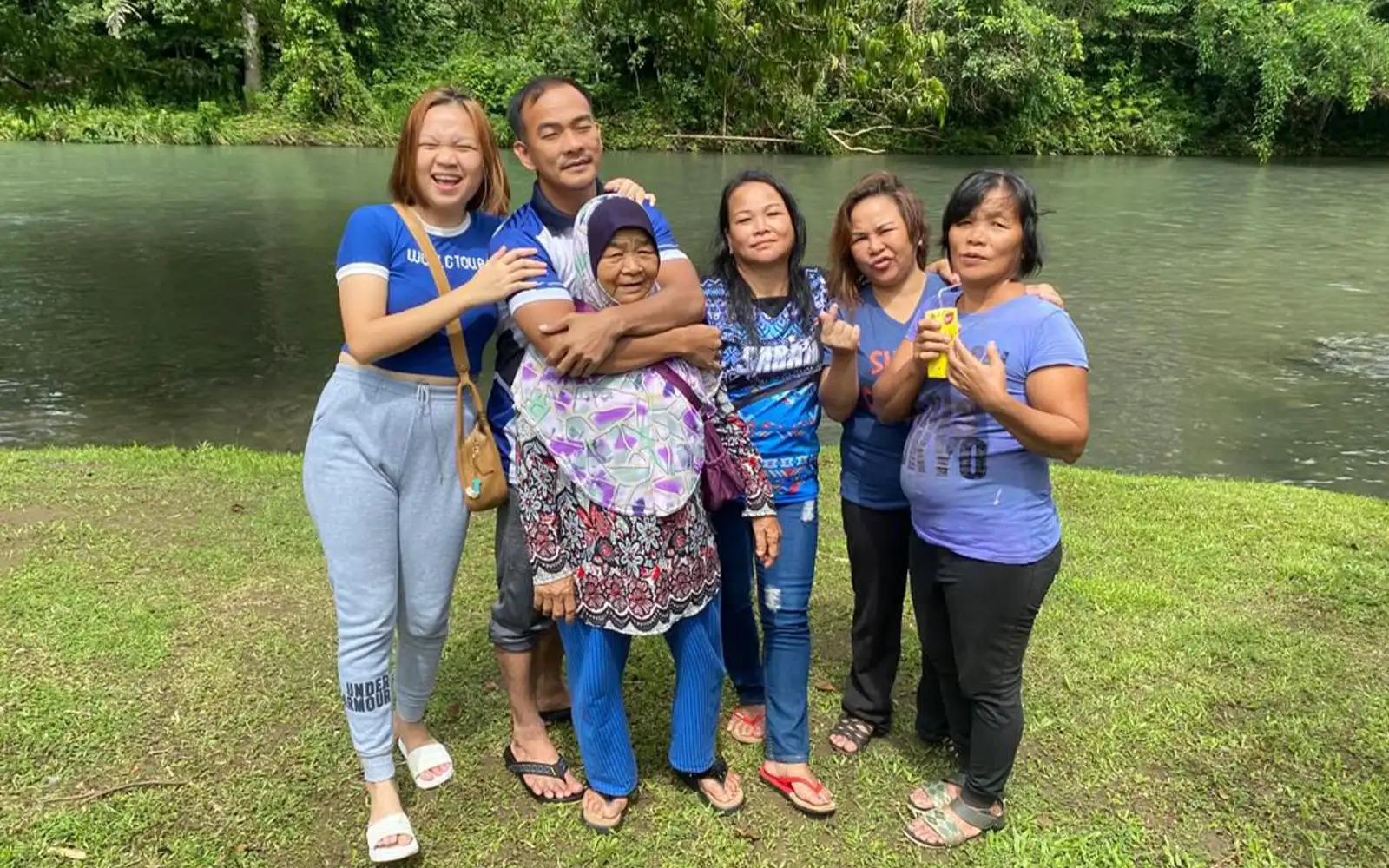
Malik’s journey began in Kampung Pinatau in the interior of Kota Marudu, Sabah, where he was born. His family struggled in harsh living conditions, lacking electricity and water supply.
He attended school in the afternoon after tapping rubber in the morning, a draining task despite his young age. But his schooling ended in 1999. “My late father said he couldn’t pay the school fees and asked me to drop out. He said it was good enough that I could read and knew my way home,” he told FMT.
Malik had no choice. He moved to Kota Kinabalu to work as an assistant cake maker at a restaurant, earning a megre RM150 a month with gruelling hours from 7am to 9pm.
“One day, I was approached by a person who offered me a job in West Malaysia that paid RM800 a month. To me, that was a huge sum. “I thought that, with that money, I could help my family and even resume my studies,” he said.
Malik then left Sabah in 2001 at the age of 14, but without his parents’ knowledge. He had duped them into signing a letter to pass immigration checks as a minor.
“My family definitely wouldn’t have agreed. They would have been concerned because we don’t have family there. So I lied to them. I told them I received a raise and needed their signature on the letter. They believed me because they couldn’t read.”
Too good to be true
However, Malik soon had a rude awakening about the job, as he was forced to become a chef despite having having no experience. “I don’t know how to cook. I don’t even know how to pluck a chicken. But I was beaten for being slow or when I made mistakes.”
He was forced to work 15 hours a day, without pay, while all his identification documents were confiscated by his boss. “After four months, I asked for my salary, but he said he was keeping the money. When I asked again, he beat me.”
After six months of suffering, Malik tried to make a run for it, but was caught. This then led to a scuffle with his employer. “I was trying to defend myself from being beaten, and in my state of panic, I caused his death. I didn’t mean to kill. I just wanted to stop him from beating me.”
He tried to escape, but was arrested at Subang airport, then went on trial and was thrown in jail, to be detained at the pleasure of the sultan of Selangor.
Malik said he was fortunate that he was underage at the time, as he would otherwise have been sentenced to death if he was an adult.
But at the time, he felt like his future was gone for good. “I felt empty, in darkness. I couldn’t think about any kind of future.”
His family was also affected. His mum experienced emotional distress after finding out the news, while his siblings had to deal with stigma from their community.
A glimmer of hope in fellow inmates
The turning point came when Malik noticed several prisoners being allowed to study on their own. He thought to himself that he could surely do the same. “From there, hope began to spring forth,” he said.
With the help of prison officers and the inmates he had befriended, Malik resumed his studies, studied independently in his own cell, borrowing books and studying through the nights.
“There was no class, no teacher. Even the books were borrowed,” he said. He sat for the Sijil Pelajaran Malaysia in 2006, then the Sijil Tinggi Persekolahan Malaysia before Open University Malaysia offered inmates like him the chance to further their education.
Financial constraints almost prevented him from doing so, but thanks to public donations and a scholarship from OUM, he continued his education and obtained his degree.
Yayasan Chow Kit founder Hartini Zainudin then came forward to fully sponsor his master’s programme, before OUM offered to cover nearly all of his costs to pursue his doctorate in business administration.
“All that support gave me a lot of hope. When people showed that they believed in me, it made me feel a sense of responsibility to do my best,” said Malik.
He went on to finish his PhD studies behind bars and in December 2024, just weeks after his thesis was approved, Malik was granted a full pardon by Sultan Sharafuddin.
Now a free man, the 39-year-old is back in his home town with one clear message for the community and also inmates: “We may fall, but as long as we have breath, the opportunity to change is always there.”
Malik now runs a chilli fertigation farm in Kampung Pinatau while providing training and job opportunities for former inmates, including those who hope to start anew by being entrepreneurs.
He is also in the midst of publishing a book, “PhD Dari Penjara”, which recounts how he obtained his doctorate while behind bars.