KUALA LUMPUR: Bond markets in Malaysia and Mexico are among the most at risk if a further increase in Japanese yields prompts the nation’s investors to repatriate capital, according to HSBC Holdings Plc.
An analysis of Japanese investors’ holdings of emerging-market bonds and equities shows that Malaysia, Chile and Mexico are “disproportionately exposed”, strategists Alastair Pinder and Pankaj Agarwala wrote in a note.
“A sharp JGB sell-off could also prompt the repatriation of overseas equity holdings, and on this measure, Taiwan, India and South Africa appear vulnerable,” they added.
While a potential carry trade unwind, in which investors sell higher-yielding assets to close out yen-funded positions, is “the biggest risk”, odds of such an event in the near term are limited, the strategists wrote.
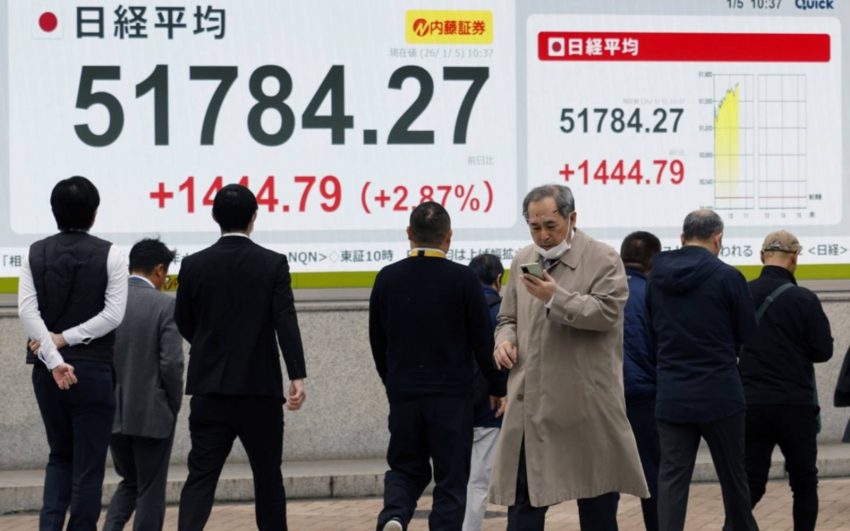
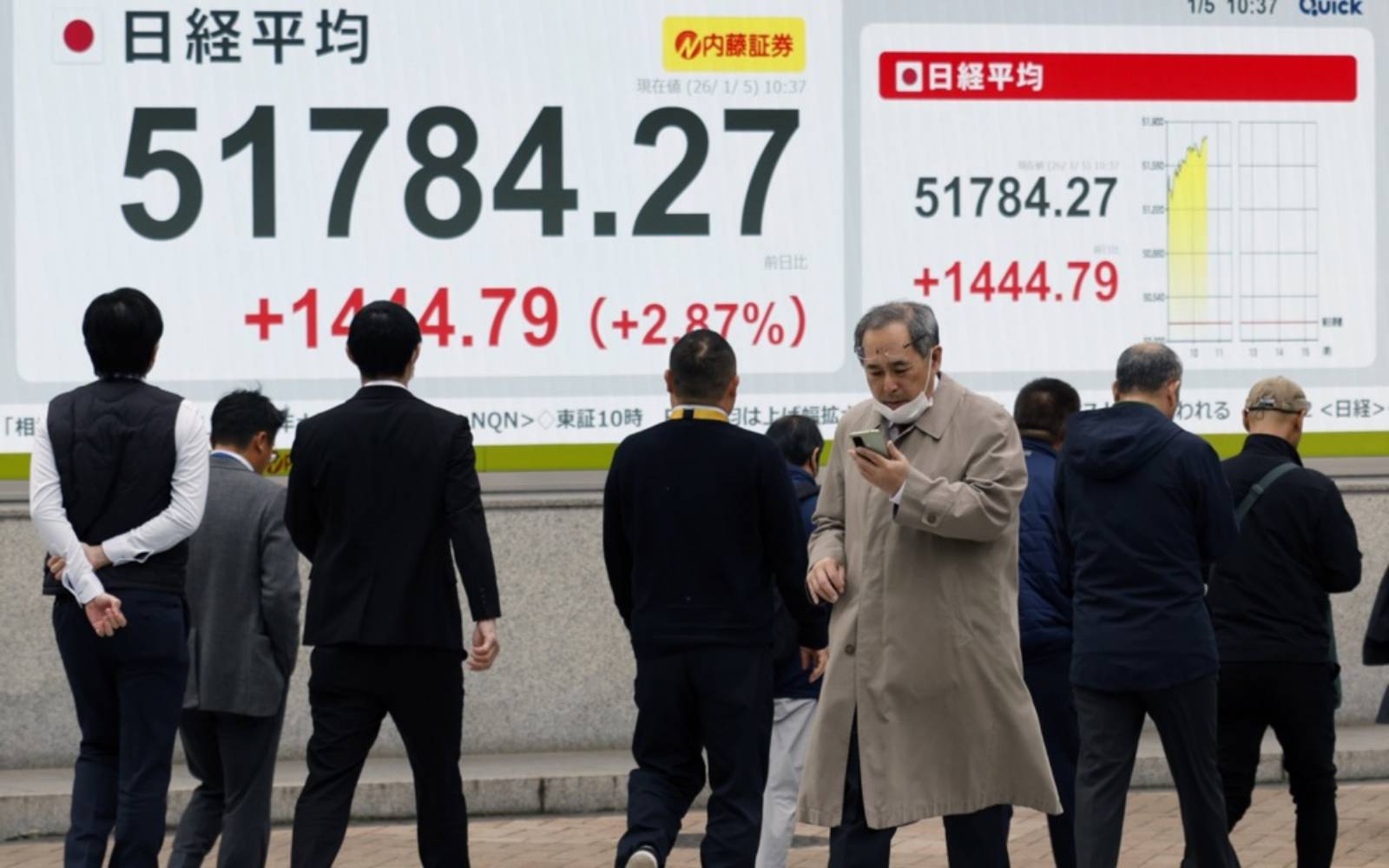
Last week’s sudden rout in JGBs, which sent local yields surging to record highs and sparked volatility across world markets, has put traders on watch for any signs that Japanese investors are moving their money back home.
Some US$5 trillion of the country’s capital is invested overseas, and that’s before accounting for the yen that foreign funds have borrowed for their wagers in financial assets around the world.
Higher JGB yields also risk putting upward pressure on bond yields globally, which in turn would hurt valuations, the HSBC strategists wrote in a note dated Jan 26.
In this regard, an analysis of relative market returns with changes in the 10-year US yield shows that Korea and Taiwan are most at risk, they added.
The JGB rout came as prime minister Sanae Takaichi’s plans to cut taxes and boost spending spurred concerns about fiscal largesse.
Traders are on guard for increased volatility in markets ahead of an election on Feb 8, and given increased talk of an intervention by authorities to support the yen.