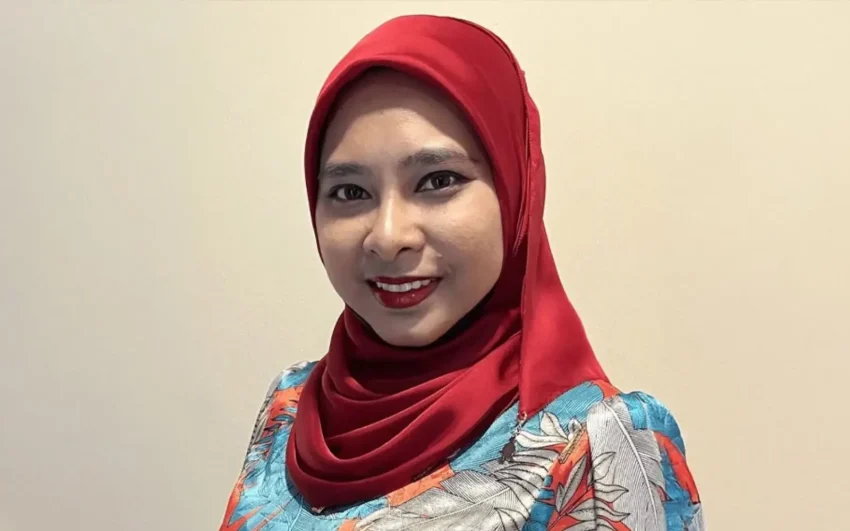
PETALING JAYA: A political analyst has called for the government to provide details of the proposed bill to limit the prime minister’s tenure to 10 years or two full terms.
Syaza Sukri of International Islamic University Malaysia said the details should include how the proposed law would impact the tenure of the sitting prime minister.
“If the bill is passed this year, does that mean Anwar Ibrahim would have technically served one term? Or do we consider that his first term begins after he wins the next general election?” she said at a forum on the term limit for the prime minister tonight.
The online forum was organised by electoral reform group Bersih.
Syaza cited former Thai prime minister Prayuth Chan-ocha’s case as an example.
In 2022, Thailand’s Constitutional Court ruled that Prayuth could continue in office and that he had not surpassed his maximum eight-year term limit as the prime minister.
The court had said that his tenure as prime minister should be counted from 2017, when a new constitution was implemented.
His detractors said his time in office should be calculated from 2014, when he took power as army commander following a coup, while his supporters argued that his term in office should be calculated from 2017, or from when he took office after his election as a civilian prime minister in 2019.
“These details are very important,” Syaza said.
Anwar had announced the bill earlier this month as part of the key institutional reforms his administration intends on fulfilling.
Syaza said limiting the term of a prime minister, while a necessary institutional safeguard, was “incomplete”, as the policy did not guarantee that a sitting prime minister would not be involved in corruption.
“We had a prime minister who was in power for almost 10 years, only for him to be involved in a big corruption case and was sentenced for it,” she said.
Petaling Jaya MP Lee Chean Chung of PKR argued that Malaysia should not simply follow Westminster conventions when considering institutional reforms like term limits.
“I don’t like it every time we say, ‘Oh, this is the Westminster system, so we can only adopt what has been implemented in Westminster’. To me, these are all borrowed models,” he said.
Lee said Malaysia should have the confidence to chart a path suited to its own political landscape.
By charting its own path, Malaysia would be able to explore solutions that reflect local needs rather than blindly following foreign templates.
However, he said a term limit would pave the way for younger leaders to join the administration and bring in new leadership styles and ideas.
“Malaysia has never lacked talent and term limits only open up more space,” he said.