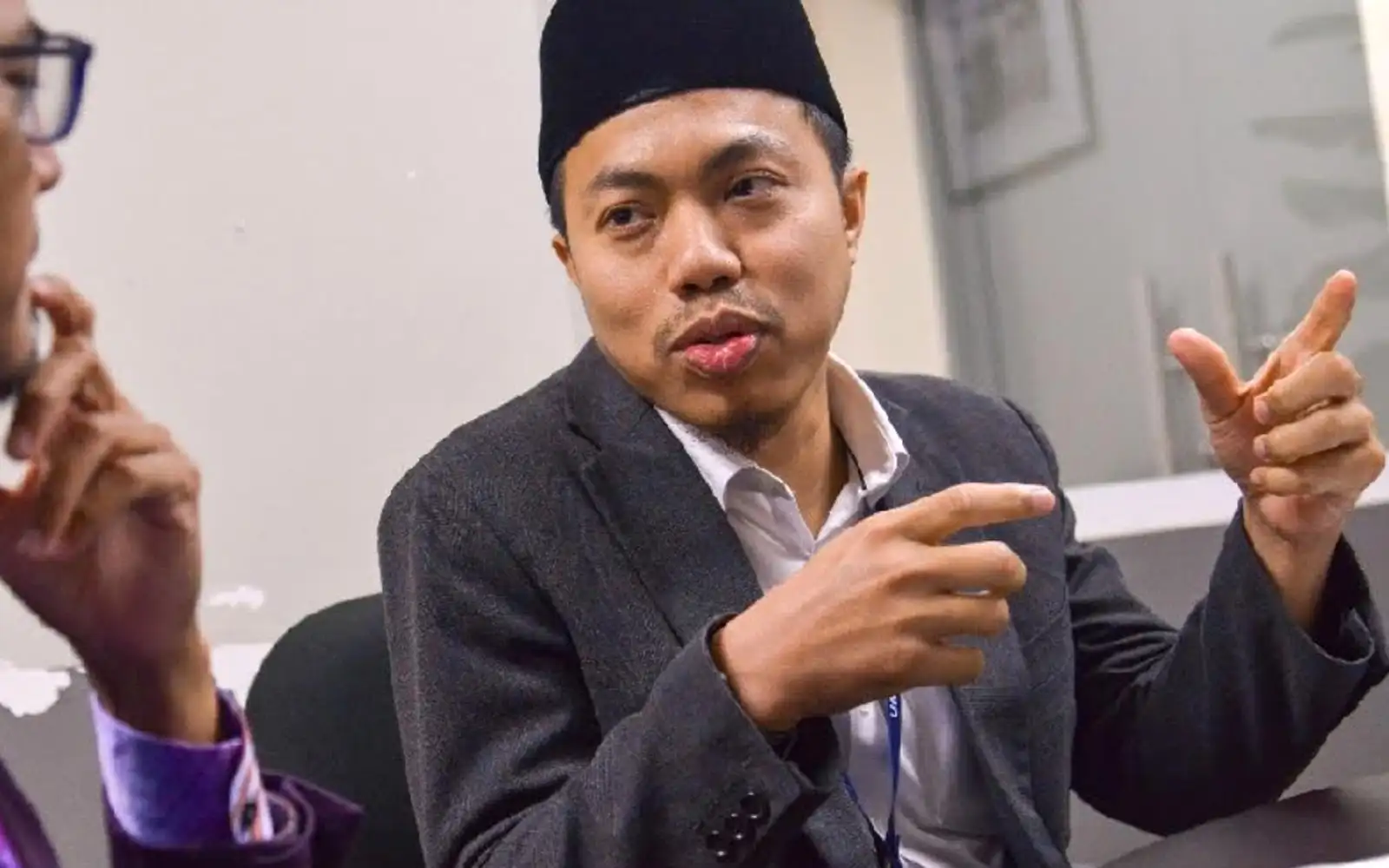
KUALA LUMPUR: Mohd Shazni Abdullah vividly remembers a quiet morning not long ago at Universiti Malaya Medical Centre (UMMC). A patient in his 50s, living with HIV and from the transgender community, had passed away.
For the head of UMMC’s department of Islamic affairs, the focus was never on who the deceased was but on ensuring the remains were handled with dignity, respect and compassion, free from stigma or prejudice.
He recalled the atmosphere in the forensic room as deeply solemn, broken only by the hum of equipment and staff footsteps. “His closest relatives refused to approach the body, but we still performed the prayers with his friends who were present,” he told Bernama recently.
Moments like that remind Shazni and his colleagues that managing the remains of the deceased, regardless of religion or background, is an opportunity to uphold dignity and demonstrate true compassion. In his 10 years at UMMC, he has handled between 80 and 100 HIV/AIDS cases.
Despite persistent stigma in society, Malaysian medical and religious institutions ensure that individuals who are HIV-positive are treated with the same honour in death as anyone else.
According to Shazni, the remains of Muslims with HIV/AIDS are managed with the same religious requirements as any other Muslim: the body is bathed, shrouded and prayed over before being handed to the family for burial.
But for safety reasons, those handling the remains must follow several additional measures.
“When a death occurs in the hospital, the body is taken to the mortuary, where the family identifies it. After that, if the family chooses to manage the remains outside the facility, the movement and transfer of the body will be arranged in compliance with safety procedures,” he outlined.
If the hospital is required to manage the remains of someone with HIV or another infectious disease such as tuberculosis, the body will be kept in the forensic room for staff safety.
He explained that these measures combine the standard operating procedures of the health ministry (MoH) and the Islamic development department (Jakim).
“Jakim emphasises preserving the dignity of the deceased and fulfilling the fardu kifayah responsibility, while MoH focuses on safety and infection prevention,” he said.
According to the ministry’s “Guidelines for the Transport and Disposal of Dead Bodies Due to HIV Infection/AIDS”, handling remains of individuals with infectious diseases requires strict preventive measures.
These include wearing double gloves, face masks, waterproof aprons and protective footwear, as well as using water mixed with bleach to clean contaminated surfaces .
“The MOH regulations also require the body to be first wrapped in clear plastic before being covered with the shroud,” Shazni went on.
“After the shrouding process is completed and before the face is covered, the family will be invited to view the deceased one last time. However, they will be advised not to hug or kiss the body to reduce any risk of exposure.”
Once the body is fully shrouded, it must be placed in a body bag before being transported to the cemetery.
“The remains of someone with HIV/AIDS must be taken directly for burial; they are not allowed to be brought home or to any other location to ensure compliance with safety protocols,” he said.
After completing the washing and shrouding, staff must immediately clean any exposed parts of their body that may have come into contact with the remains.
Family matters
Contrary to the perception that families often reject the remains of HIV/AIDS patients, Shazni said only a small number fall into this group.
“Most families come and accept the remains. They are involved in the burial. However, it cannot be denied that some relatives do not come forward, even after being informed of the death of their family member. In such cases, we manage the remains and proceed with the burial,” he said.
Clear communication is essential, he added, to avoid adding emotional stress. This is why they explain to the family the reasons behind the additional safety measures.
He stressed that sharing information or images of the bodies of HIV/AIDS patients on social media is strictly prohibited in Islam, and that the bodies are handled carefully to protect dignity and privacy.
“Sometimes, the closest relatives refuse to approach the body due to stigma or its condition, but we still fulfil the fardu kifayah responsibility by washing and shrouding the body before performing prayers. No matter what condition the body is in, the deceased’s dignity must be preserved.”
Unclaimed bodies, Shazni said, are handed over to the federal territory Islamic religious department.
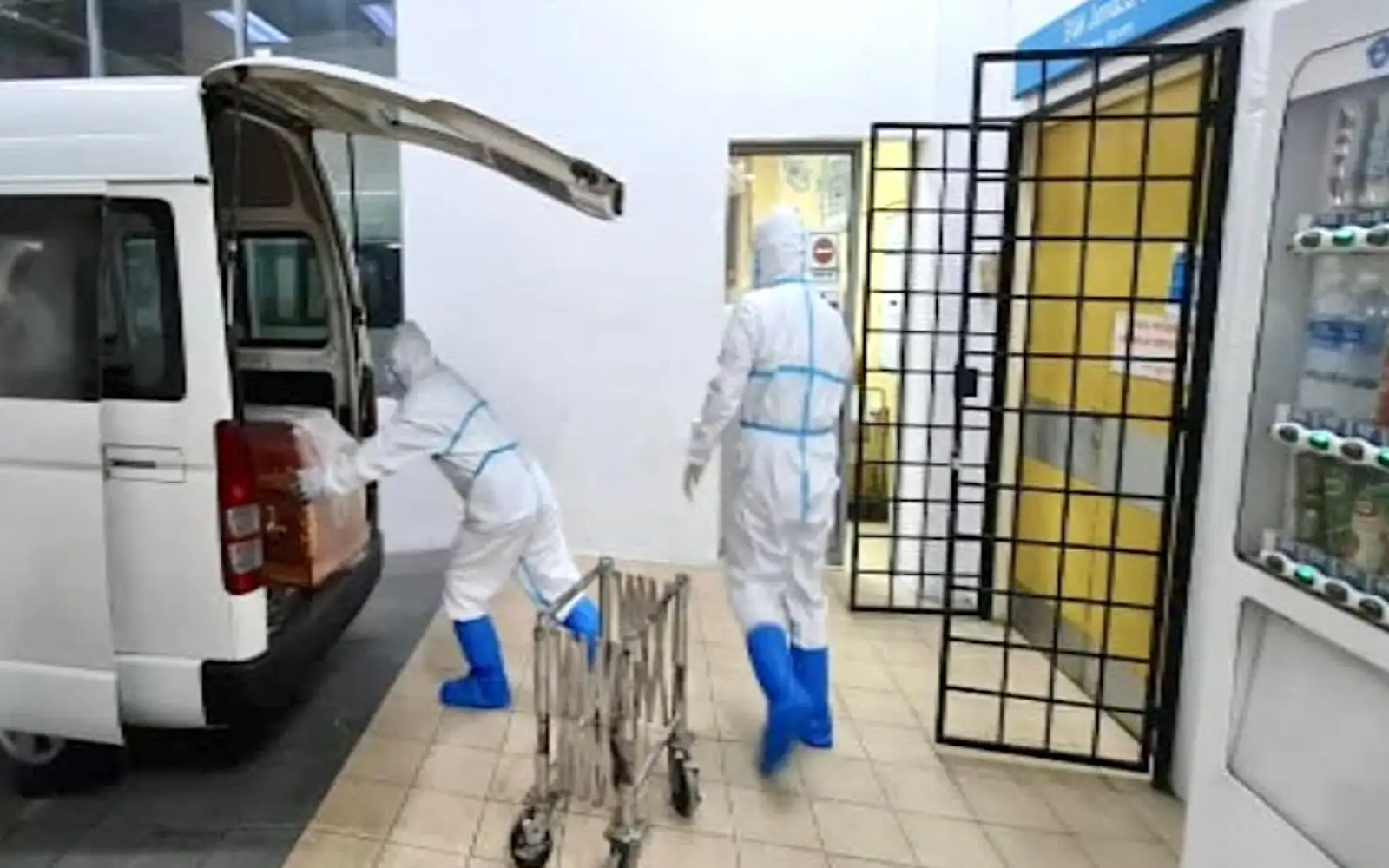
Similar safety measures apply when handling the remains of non-Muslims with HIV/AIDS, including wrapping the body in plastic before placing it in a body bag for transport to the home or funeral parlour.
According to Jackson Wong, district service director at Nirvana Sungai Besi, safety protocols are heightened in cases that involve infectious diseases such as HIV/AIDS and TB.
“If the death involves an infectious disease, we must wear full personal protective equipment. The body must be placed in a body bag before being put into the casket,” Wong explained, adding that the casket is tightly sealed with silicone.
“Throughout this process, MoH personnel will monitor the procedures,” he noted, adding that the family is allowed a final viewing in a controlled environment before the casket is closed.
Health ministry data show that HIV infections in Malaysia have been concentrated among four main groups: people who inject drugs; female sex workers; transgender individuals; and men who have sex with men.
Last year, 3,185 new HIV cases were recorded, with men accounting for 90% of infections. Of these, 75% involved men aged between 20 and 39.