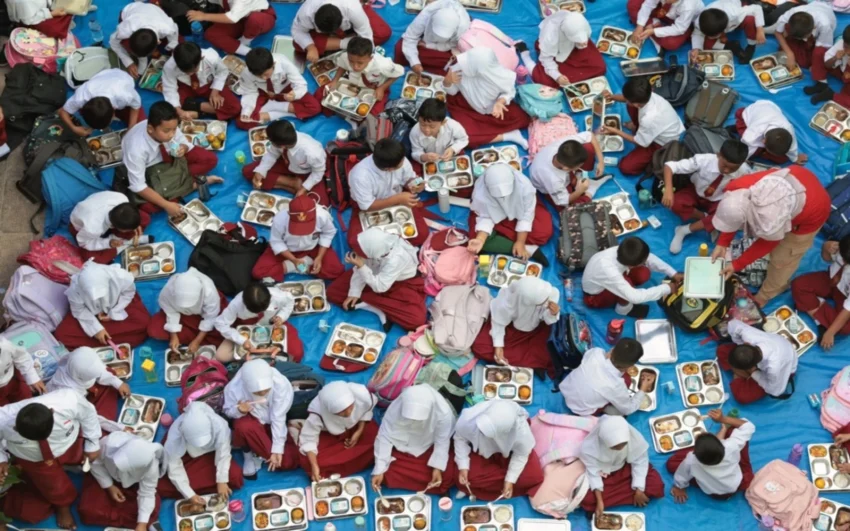
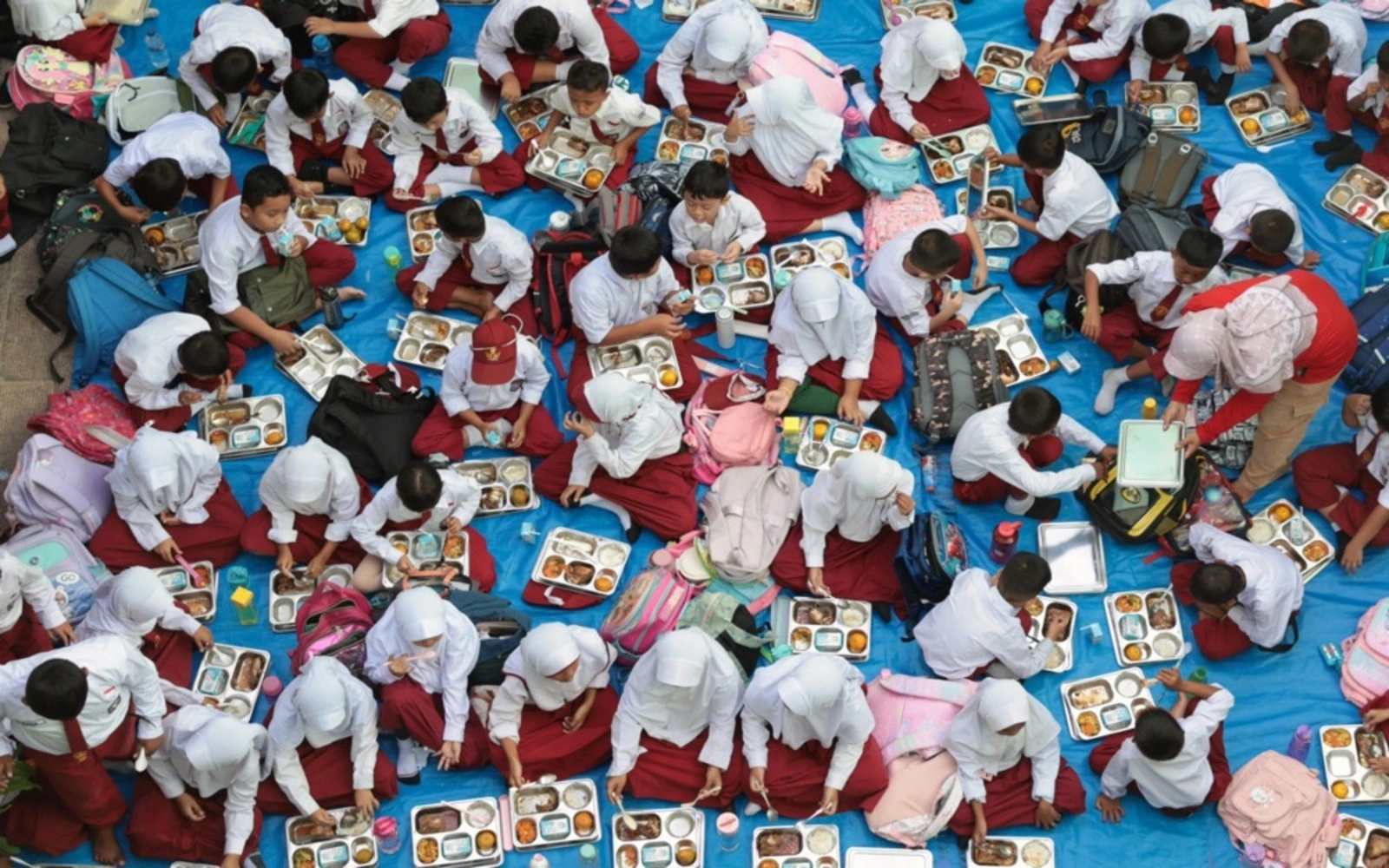
JAKARTA: Indonesia is looking to save up to Rp40 trillion (US$2.3 billion) by cutting back on its free meal programme, an official told AFP today, in a first austerity measure taken in response to price pressures from the Mideast war.
The meals, primarily intended for schoolchildren across the country, will be distributed for five days a week instead of six starting March 31 in a move that is expected to save “around Rp40 trillion”, National Nutrition Agency deputy head Nanik Sudaryati Deyang said.
She said the measure was taken as part of the government’s moves to cushion Southeast Asia’s largest economy from the fallout of the war in the Middle East, which has sent global oil prices soaring.
In a statement today, the agency, which oversees the programme, announced the policy to adjust the distribution of meals in-line with students’ five-day school week.
“However, recipients in remote areas or areas with high rates of stunting will see meals delivered for six days a week,” agency head Dadan Hindayana said.
“The provision of the free nutritious meals on Saturdays for regions with a high risk of stunting is a strategic step to ensure that children receive adequate nutrition every day,” Dadan said.
“The nutrition agency will work with local authorities to ensure that the programme reaches its intended target,” Dadan said.
Prasetyo Hadi, a spokesman for president Prabowo Subianto, previously said the country was seeking to set aside Rp80 trillion as the government looks to shield its economy from the Middle East fallout, without disclosing further details.
Prabowo previously insisted that the meal programme, originally budgeted for Rp335 trillion this year, would be untouched, claiming that there were many other cost saving measures Jakarta could implement as the government weighed options to respond to price pressures.
The government is considering whether to allow workers to work remotely for one day a week in a move to curb fuel consumption.
The free meal programme has drawn criticism following a spate of food poisoning cases since its launch last year, with critics calling for its suspension over hygiene concerns.
The initiative has served 61 million people, according to the agency.
Children and toddlers, as well as pregnant and breastfeeding women, are the main recipients.