TOKYO: Japan and Germany on Wednesday announced they will release part of their oil reserve as global energy costs soar due to the Middle East War.
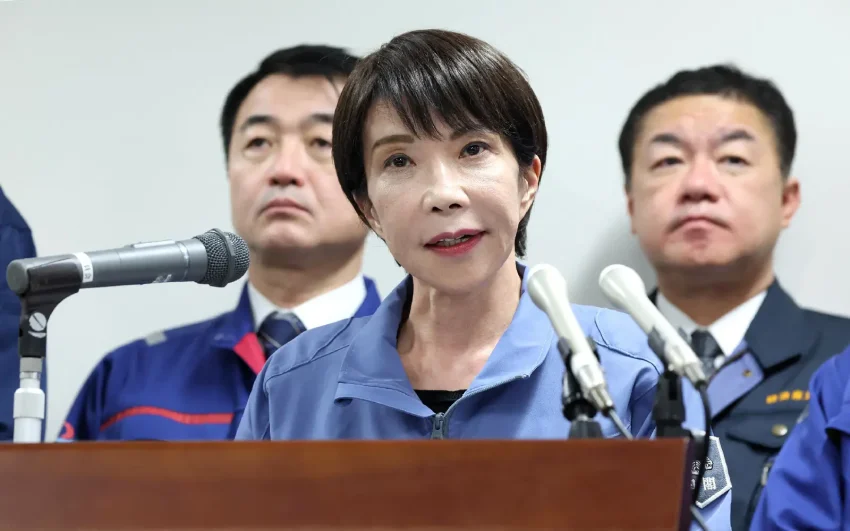
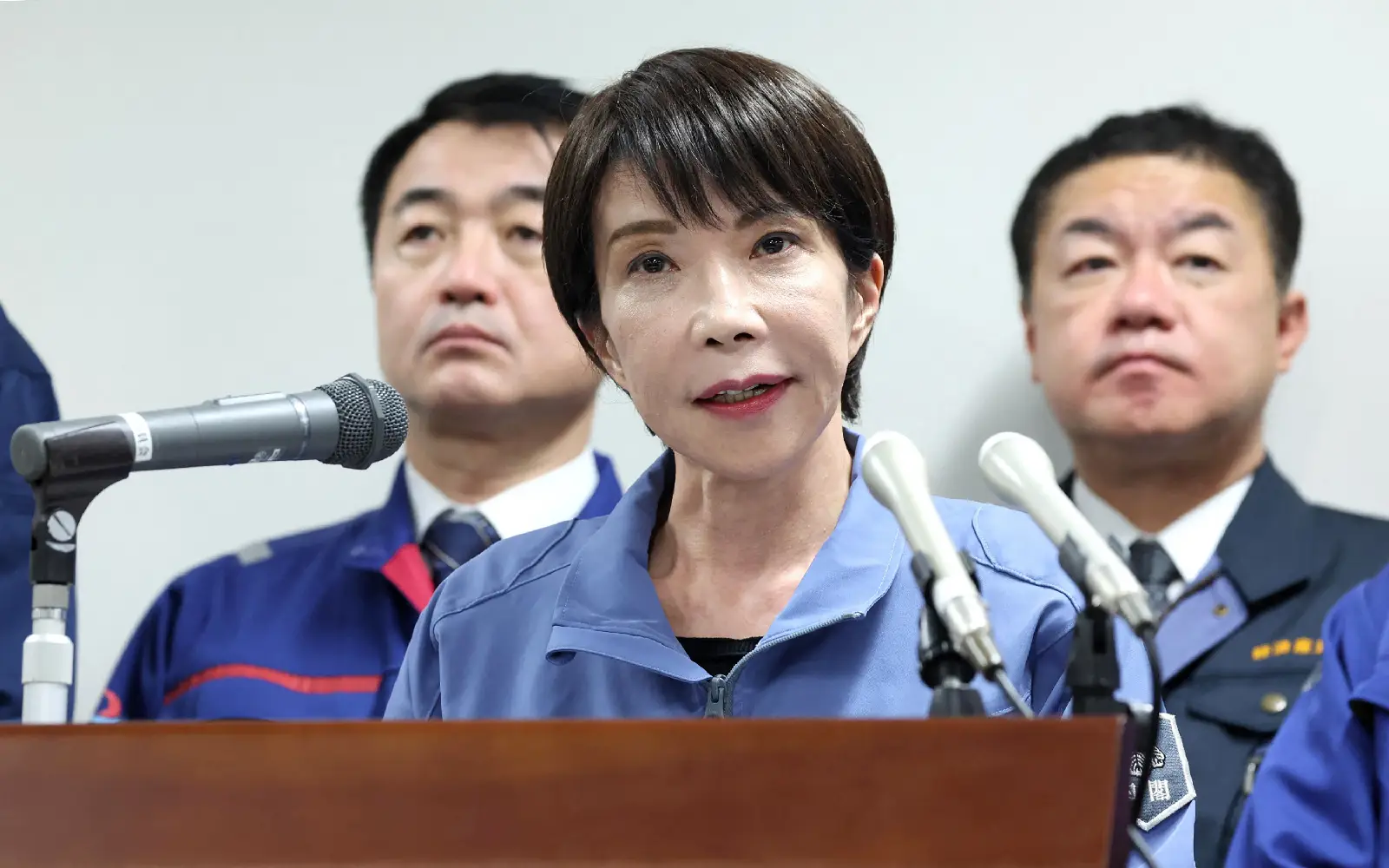
In Tokyo, Prime Minister Sanae Takaichi said her country will release oil reserves as early as Monday to ease pressure on the prices of gasoline and other energy, as the Middle East war sparked supply worries.
“Without waiting for a formal decision on coordinated international stock releases with the IEA, Japan has decided to take the lead in easing supply and demand in the international energy market by releasing strategic reserves as early as the 16th of this month,” Takaichi told reporters Wednesday.
Japan has been working with other nations, including the Group of Seven major economies and members of the International Energy Agency (IEA), on a possible coordinated release of oil to offset rising crude prices due to the Middle East conflict.
But Takaichi said Tokyo needed to act quickly to minimise the impact of the international energy crisis on its economy.
“Crude oil imports to Japan are expected to decrease significantly starting late this month,” Takaichi said, noting that many tankers are unable to pass through the crucial Strait of Hormuz.
“Given Japan’s exceptionally high dependence on the Middle East (for oil) and as we will be severely impacted, we plan to utilise Japan’s strategic petroleum reserves,” she said.
Tokyo would still liaise with the G7 and the IEA “to ensure that under no circumstances will there be disruptions to the supply of petroleum products such as gasoline”, she said.
The government would take steps to make sure the average gasoline price will be around 170 yen (US$1.07) per litre, slightly below last year’s average of 178 yen, she said.
In Berlin, Germany’s Economy and Energy Minister Katherina Reiche said Wednesday her country too will release part of its oil reserve as global energy costs soar.
This should help bring down the world oil price, Reiche said, noting that fellow members of the International Energy Agency (IEA) were also struggling with rising prices due to the Middle East war.
“The International Energy Agency therefore asked its member states yesterday evening to release oil reserves amounting to 400 million barrels,” Reiche said, adding: “We will comply with this request and make our contribution.”
Petrol stations in Germany would meanwhile be obliged to limit their price rises to one per day, Reiche said, adding that past crises had shown that costs at the pump tended to rise rapidly with the oil price, but fall more slowly.
“We have therefore decided to limit the frequency of price changes,” Reiche said. “Petrol stations are only allowed to increase their fuel prices once a day. But price reductions are allowed at any time.”