PETALING JAYA: A more flexible model under the Malaysia Education Plan (RPM) 2026–2035 will provide more equitable opportunities for all students to develop their potential, an academic said.
Hasnah Toran of Universiti Kebangsaan Malaysia said the plan’s emphasis on preparing students for life — rather than focusing solely on examinations — was timely, moving beyond measuring success purely by the number of “A’s” scored.
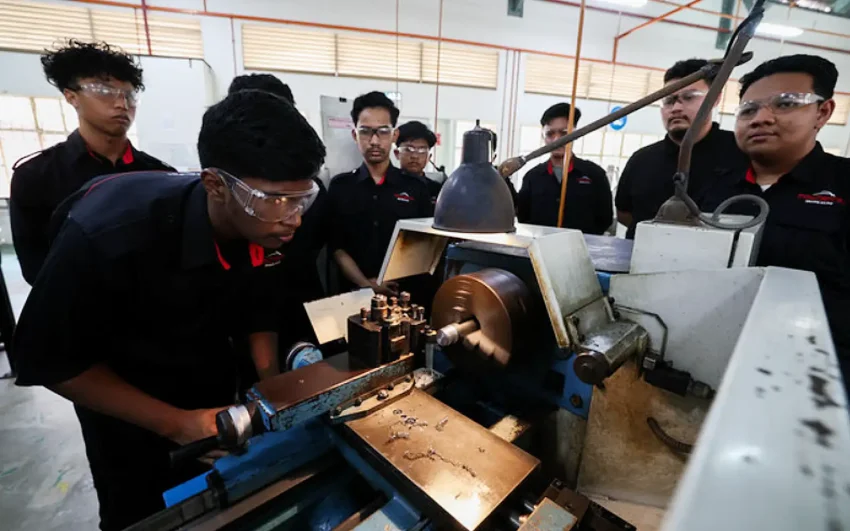
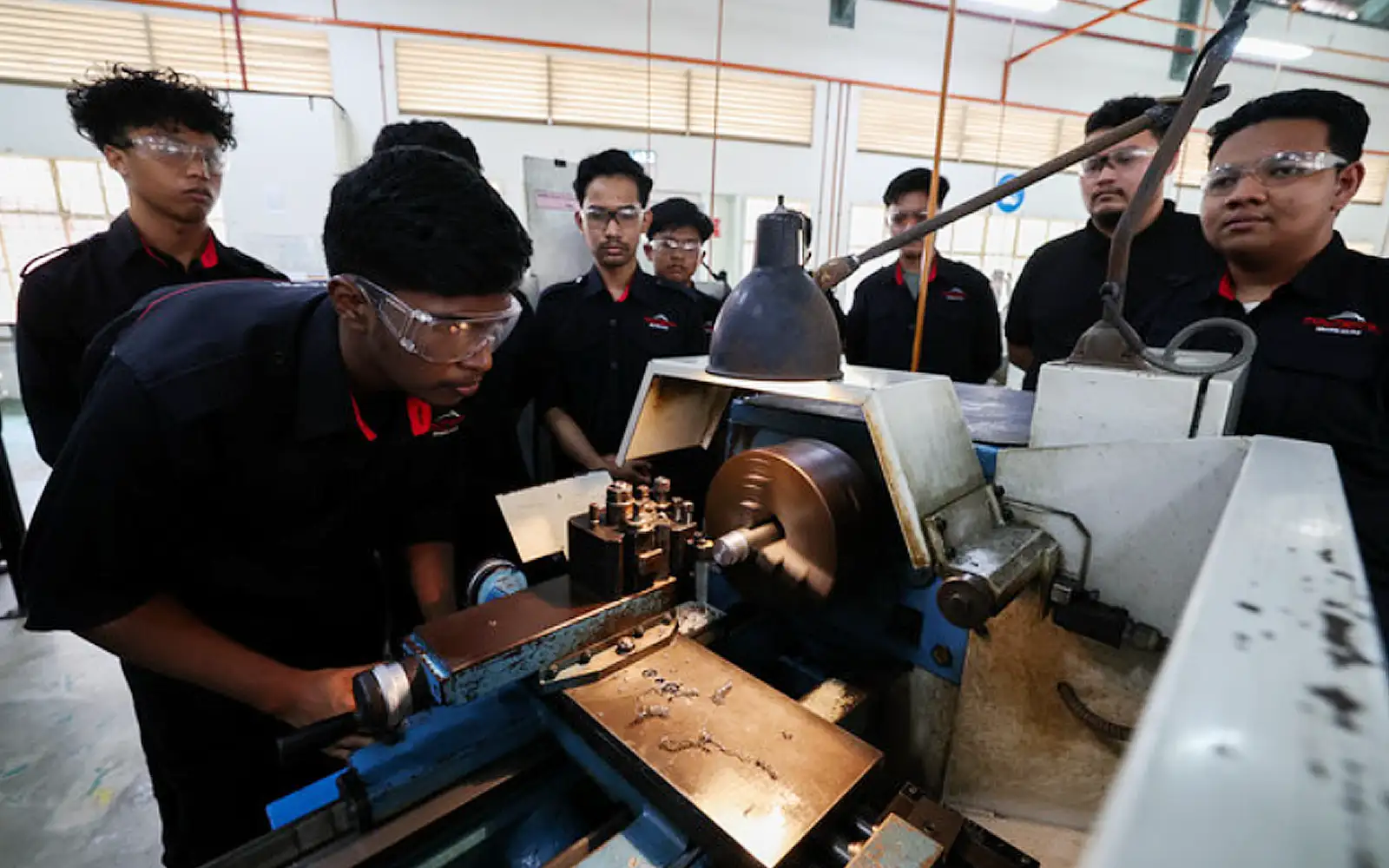
She said students who were less academically inclined could shine through vocational fields that matched their interests.
“They will be motivated to learn when their strengths are recognised.
“In the past, when society was exam-oriented, academically outstanding students became the favourites in schools, while those who did not excel were marginalised,” she told FMT.
However, Hasnah said the success of the plan also hinged on teachers’ flexibility, which required continuous efforts by the education ministry to enhance their skills and teaching methods.
“Beyond that, we must also change perceptions of what education means. For example, vocational education should no longer be seen as a second-rate pathway for students, but as a solid platform for self-improvement,” she said.
The RPM 2026–2035 was launched by Prime Minister Anwar Ibrahim on Jan 20. Among its key approaches is a shift away from an excessive focus on examinations.
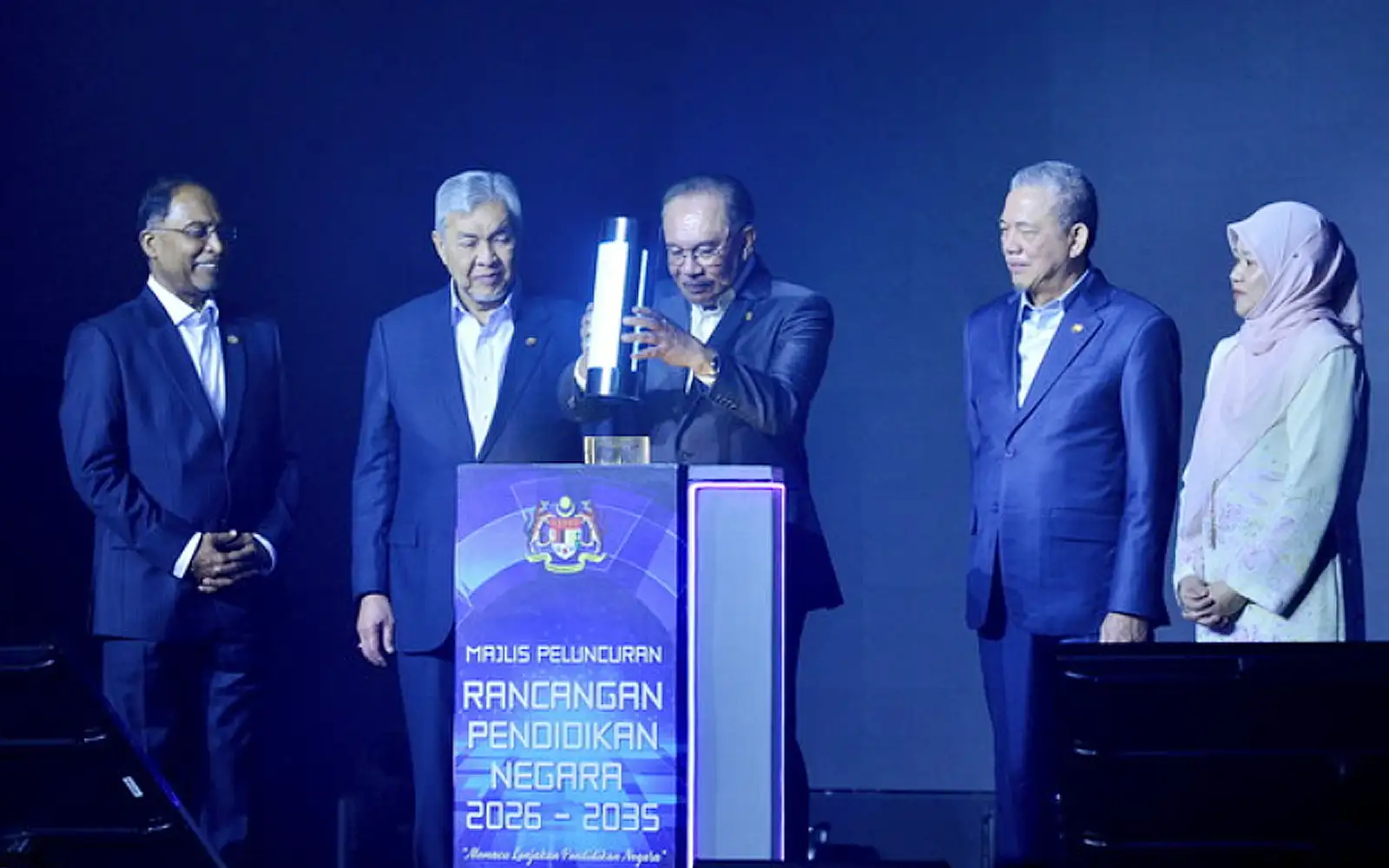
The plan aims to nurture a knowledgeable, skilled and resilient generation, guided by five main focus areas, including quality and flexibility.
Through seven strategic thrusts and five key aspirations, it targets comprehensive transformation involving the system, infrastructure, and synergy among teachers, industry and the community.
Meanwhile, Fouzi Singon, secretary-general of the National Union of the Teaching Profession, said the success of the RPM would depend on how well teachers internalised its vision.
He warned that without a clear understanding of how the RPM should be implemented in classrooms, it risked becoming nothing more than an attractive plan on paper.
Fouzi urged the ministry to allocate sufficient training funds to equip educators with new teaching strategies.
“Teachers are ready to undergo training and adopt new approaches, provided school management does not exert excessive pressure and carries out collaborative consultations.
“Teacher burnout is not caused by assessment itself, but by emotional stress when school administrators fail to exercise diplomacy or show appreciation to their subordinates,” he said.