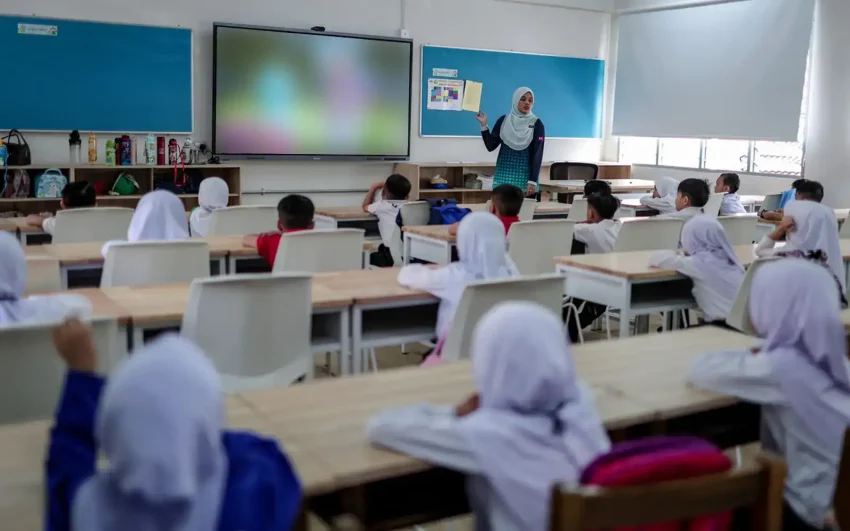
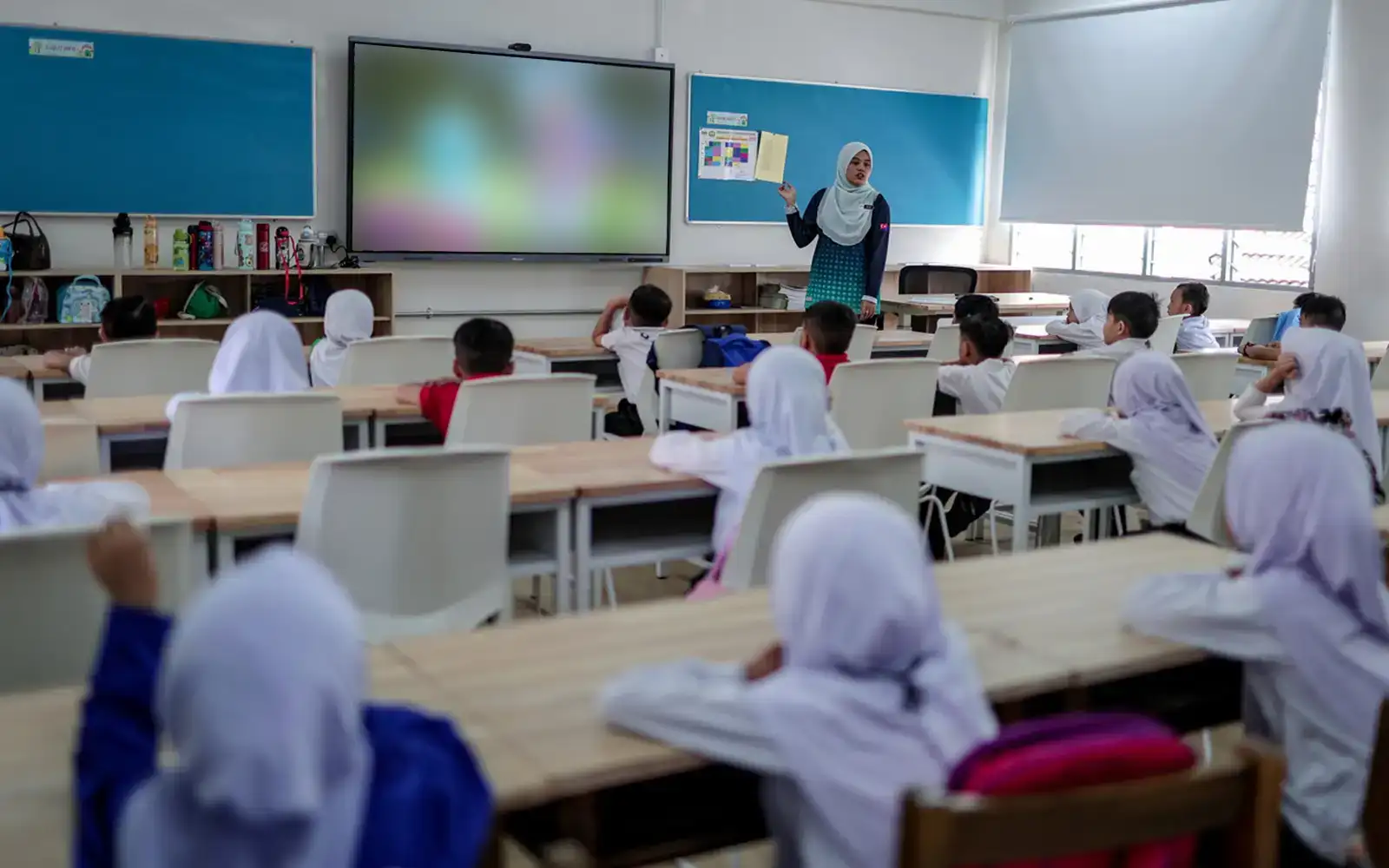
PETALING JAYA: A shortage of qualified Bahasa Melayu and History teachers may hamper the rollout of the government’s plan to extend the two subjects across private and international schools, say education groups.
A group representing private schools and education activists warns that while the objective may be widely supported, the sector faces real capacity constraints.
Teh Choon Jin, deputy president of the National Association of Private Educational Institutions, said the shortage of BM and History teachers in private and international schools is quite significant.
“A number of private schools that already align partially with the national curriculum are better positioned. But many international schools were designed around foreign curricula, with staffing models built accordingly,” he told FMT.
“The pipeline of teachers trained specifically to deliver BM and History, particularly within English-medium, internationally benchmarked environments is limited. We should not confuse willingness with readiness.”
Teh also said that teaching History especially requires expertise in the subject and being able to navigate around sensitive issues.
“Teaching History meaningfully requires subject mastery and the ability to navigate sensitive historical narratives thoughtfully.
“Therefore, a short course will not transform a teacher into a confident civic educator,” he said.
Parent Action Group for Education (PAGE) Malaysia chairman Noor Azimah Abdul Rahim also highlighted the point about international and private schools having international curricula.
She said bridging the gap would require both retraining and recruitment, but the resources remain limited.
“Bridging this gap will require retraining existing staff and hiring new specialists. That may be difficult in the short- to medium-term given limited talent pipelines,” Azimah said.
Melaka Action Group for Parents in Education (Magpie) chairman Mak Chee Kin called for a phased approach to implementation to ease the delivery of the new mandate to all institutions.
“Supply constraints and competition with national schools make this challenging in the short term. A phased approach would be more realistic,” he said.
Mak also called for clear guidelines and structured support to assist with the implementation of the policy.
“Clear curriculum guidance, structured training pathways, and some transitional funding support will be essential. Without these, schools may struggle to deliver quality instruction and the outcome may be disastrous,” he said.
All three experts also agreed that without the necessary intervention from the government to ensure a proper implementation, there is a high risk that the policy will just become a compliance exercise rather than meaningful nation-building.
Last month, Prime Minister Anwar Ibrahim announced that all schools, including religious, international and private institutions, would be required to offer Bahasa Melayu and History subjects, in line with the national curriculum for all Malaysian students.
He said it applies to all schools, including independent Chinese-medium schools offering the Unified Examination Certificate (UEC).