KUALA LUMPUR: You didn’t need a screen in the 1970s. You needed a dial, and the patience to turn it until the static thinned and a confident voice came in, clean and unhurried.
Rangkaian Biru. The Blue Network.
Before algorithms, before dictated playlists, before chatter became clutter, there were presenters who understood timing, tone and silence.
They did not rush the intro. They did not step on the vocal. They let the music breathe — and the country with it.
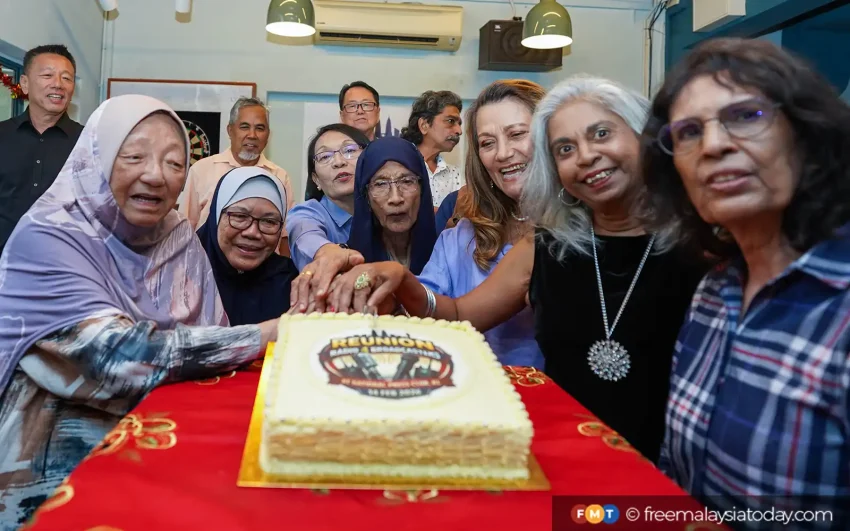
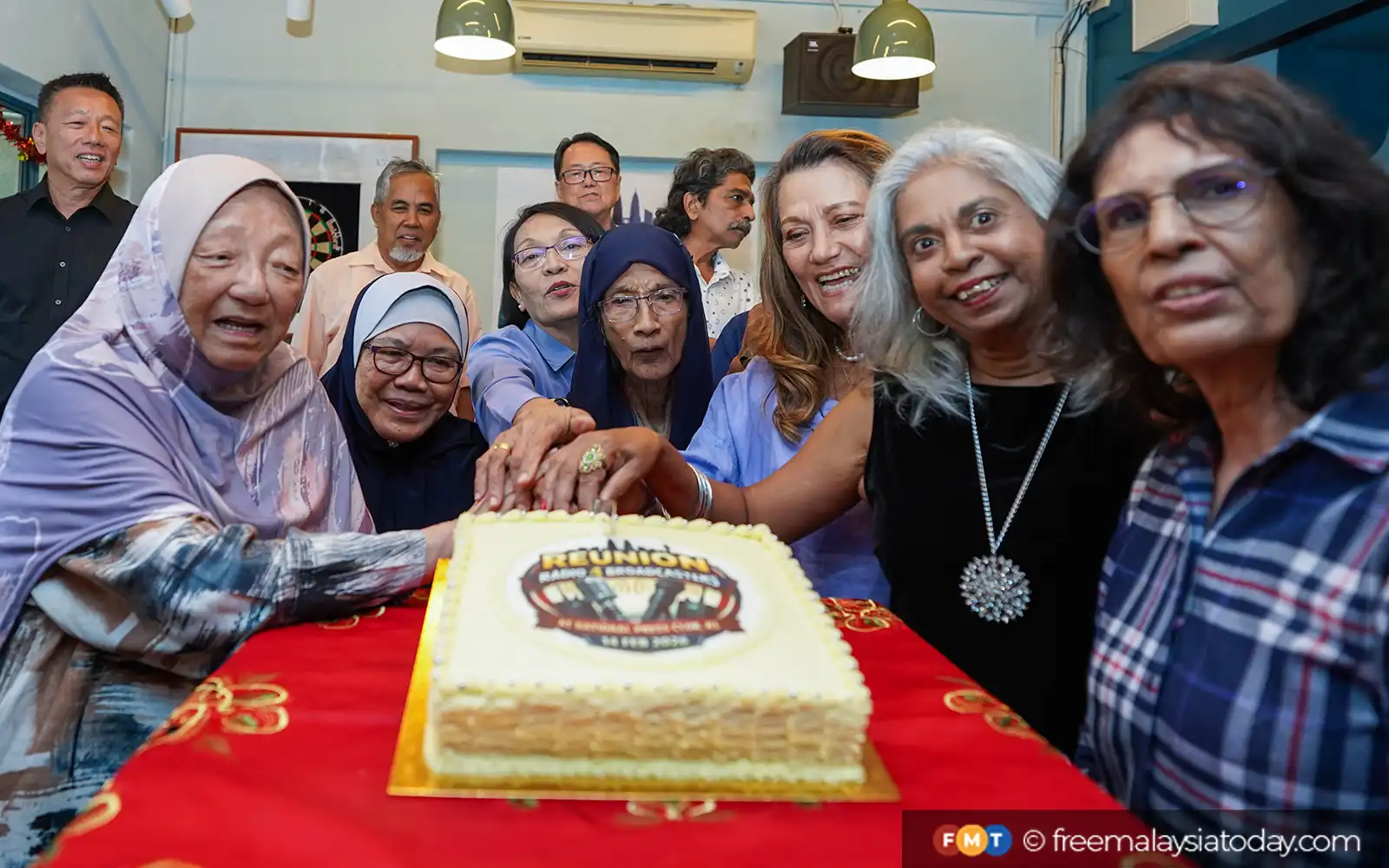
On Feb 14 at the National Press Club, 30 of those voices gathered again.

Not as veterans seeking nostalgia, but as broadcasters who once gave Malaysia its English cadence.
World Radio Day had been marked the day before. This felt like the true observance.
There were handshakes that turned into embraces, laughter that carried across the room, and that unmistakable rhythm in their speech: polished, measured, broadcast-ready even now.
Appointment listening, national rhythm
Sunday mornings once followed a trusted running order.
At 9am, Music City; at 10, Fantastic Facts and Fancies; by 11, the effervescence of Coca-Cola’s Cool and Swinging Show.
At noon, Bosco D’Cruz’s RM Playhouse, when parents lowered conversations and children absorbed English through drama without knowing they were being taught.
Radio was not filler. It was fixture.
The Blue Network, fashioned in the spirit of BBC discipline, balanced music, information and cultural programming with precision.
It cultivated clarity in speech and generosity in spirit. It made proper English sound aspirational rather than intimidating.
And in doing so, it quietly strengthened a young Malaysia still finding its voice after 1963.
Sounding like the country hoped to sound
The likes of D’Cruz, John Machado and E Samson read the news with authority that never slipped into theatrics.
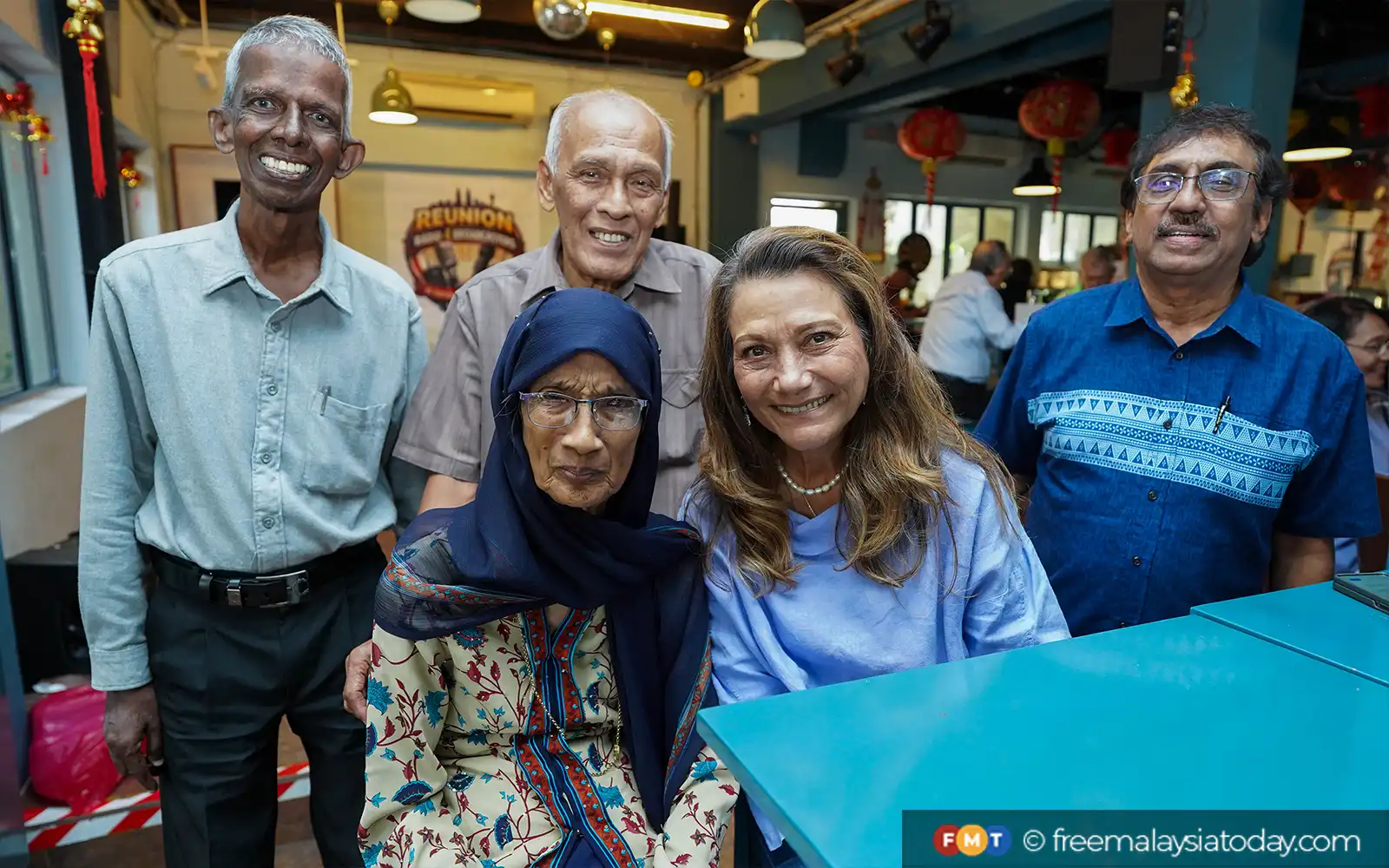
Faridah Merican brought emotional depth to radio theatre.
Tunku Atikah Tunku Mohamed and Amelia Teh guided students through history and youth programmes that widened horizons.
Sports commentators such as R Jeyanathan and Vincent Fernandez painted matches so vividly that listeners swore they could see the pitch.
Then came the deejays, the personalities who spun vinyl and stitched generations together.
Like Alan Zachariah, Nor Nikman Dadameah, Patrick Teoh, Ronnie Atkinson, Constance Haslam, A Radha Krishnan and Janet Ambrose.
They were not boxed in by rigid playlists. They curated. They listened to the mood of the nation and stayed in tune with it.
They could move from Johnny Cash to Aretha Franklin, from Steppenwolf to The Strollers, without missing a beat.
“The magic wasn’t only in the records,” said organiser Neubert Ambrose. “It was in the relationship. When the mic opened, listeners leaned in. That trust was sacred.”
Radio as refuge
Request and call-in programmes became something more than entertainment.
A schoolgirl once called, nervous about her English. A young man sought advice on confessing his affection.
Haslam, for one, would speak to them off-air while a song played, then return to the microphone with reassurance, and a melody that carried their unspoken words.
Major Adnan Bakar, who served during the insurgency years, remembered soldiers tuning in.
“For men stationed far from home, Constance’s voice softened the night,” he said. “When she said a love song needs a lyric that tells a story, we felt understood.”
Radio was theatre of the mind, yes, but it was also quiet therapy.
Craft over noise
Radha Krishnan, the “Black Stallion” whose rapid-fire delivery electrified teenagers, still carries tempo in his tone.

“We shared the same framework,” he said, smiling, “but we built distinct personalities. Within seconds, listeners knew who was on air. That identity mattered.”
Razally Hussin spoke of discipline.
“If you mispronounced a word, you corrected it instantly. Dead air was feared, but careless air was unacceptable. Standards were everything.”
Yasmin Yusuff described it as stewardship rather than stardom.
“We entertained,” she said, “but we were also shaping how English sounded in Malaysian homes. That responsibility stayed with you long after the red light went off.”
Tunku Atikah Tunku Mohamed, once the head of the English service, offered a reminder of the bigger picture.
“We were bridging spaces between races, between regions, between generations. Radio made that possible without ever raising its voice.”
The final fade
As the evening drew to a close, the group stood in silence for colleagues who had signed off for the last time.

No cue music swelled, yet it felt as though an invisible fader had lowered gently on an era of elegance.
Radio Malaya began in 1946, Malaysia emerged in 1963. The Blue Network gave the young nation an English soundtrack: measured, melodic and unifying.
Technology has shifted, playlists are tighter, and the pace is faster.
But at this reunion, for a few unhurried hours, the frequency cleared again. The modulation was steady, the chemistry intact, and the warmth unmistakable.
And as they said their goodbyes, you sensed something rare: not nostalgia, not longing, but gratitude.
Because once upon a time, when blue was a feeling, Malaysia found its voice: confident, clear and full of promise.