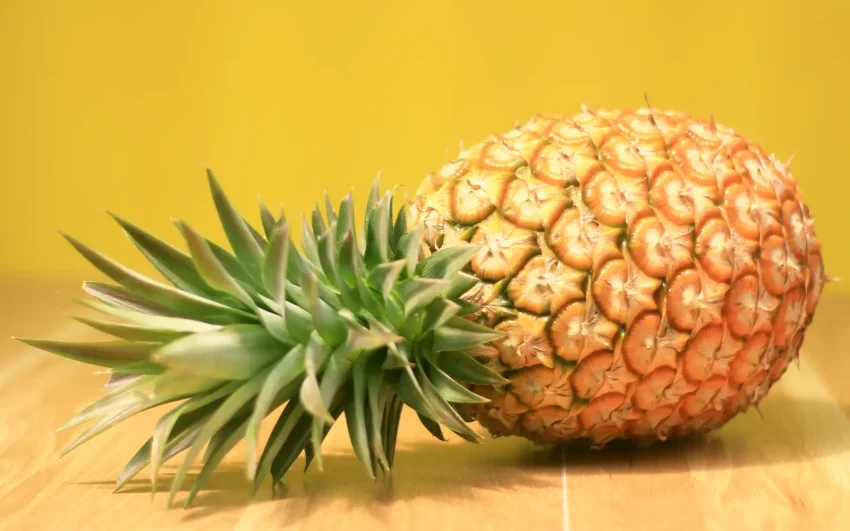
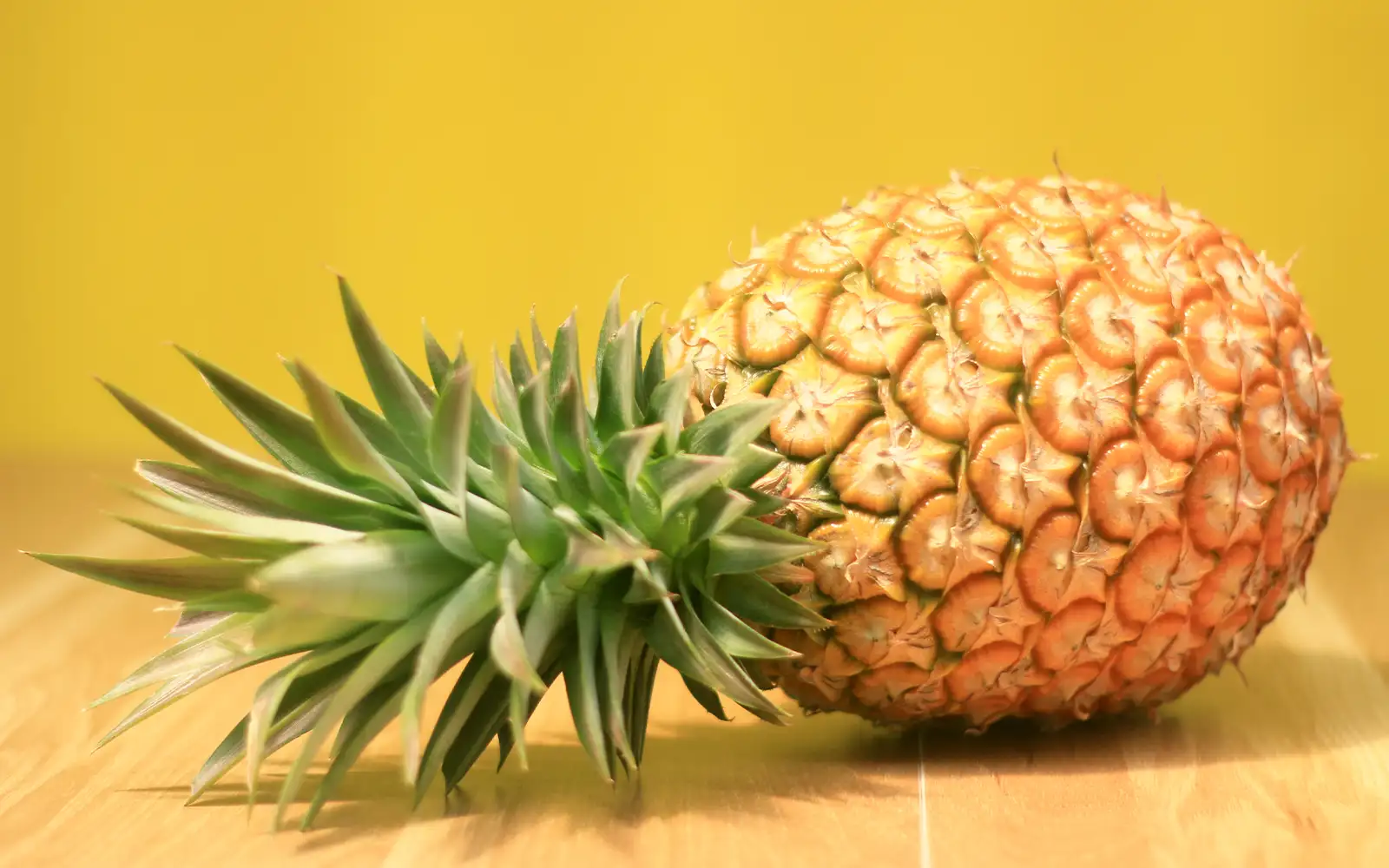
Pineapples bring a ray of sunshine to the table. Bright, fragrant and juicy, they feel indulgent yet refreshing.
Tracing its roots to South America, particularly Brazil and Paraguay, early Spanish explorers were struck by the pineapple’s crown-like top and textured skin, which reminded them of a pinecone. They called it piña de Indias.
English speakers later adopted the name “pineapple” – even though it has nothing to do with pine trees or apples.
Botanically, it is even more intriguing. A pineapple is not a single fruit but a cluster of berries fused around a central core. Those diamond-shaped “eyes” are individual flowers that have grown together into one golden orb.
Beyond its good looks, pineapple carries special cultural meaning during Chinese New Year. In Hokkien and several other Chinese dialects, it is known as “ong lai”, which sounds like “prosperity comes”.
Because of this auspicious association, pineapples are displayed in homes, exchanged as gifts and featured in festive dishes throughout the Lunar New Year. They symbolise wealth, good fortune and fresh opportunities – proof that food nourishes not only the body, but also tradition and hope.
Nutritionally, pineapple holds its own too. According to the Malaysian Food Composition Database, fresh pineapple is naturally low in calories – about 45 calories per 100g – and contains virtually no fat or cholesterol. It is low in sodium and offers some fibre, which supports gut health and regular bowel movements.
One of its standout nutrients is vitamin C. A one-cup serving (about 165g) provides roughly a third of an adult’s daily requirement, supporting immune health, collagen production and iron absorption from plant-based foods.
Pineapple also provides small but meaningful amounts of potassium, vitamin B6 and thiamine for better heart health, energy metabolism and nervous system function.
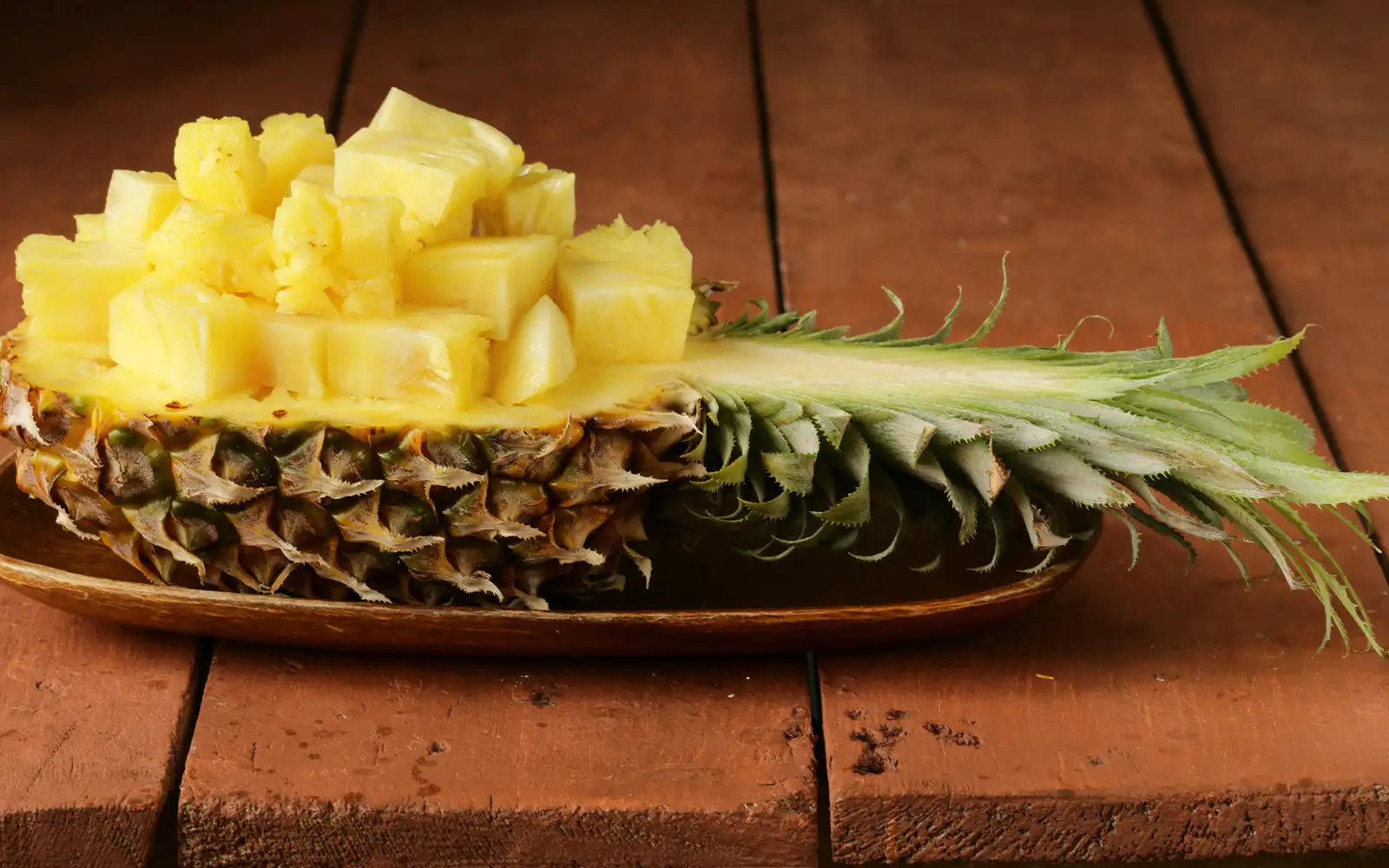
Perhaps its most famous feature is bromelain – a group of enzymes that help break down protein. In the kitchen, fresh pineapple juice is a great marinade to tenderise tougher cuts of meat. A splash mixed with soy sauce works wonders. However, restraint is key: leave meat soaking for too long and the enzymes can turn a promising dish into a mushy disappointment.
In recent years, bromelain has attracted interest from researchers. Studies suggest it may support digestion, reduce inflammation and aid recovery from muscle soreness or minor injuries. There is also emerging evidence of potential benefits for immune function and inflammatory conditions such as sinus congestion and joint discomfort.
That said, most of these effects are observed when bromelain is consumed as part of whole pineapple or under controlled clinical conditions.
Bromelain supplements are widely available and often marketed for joint pain, inflammation and digestion. However, high-dose supplements are not suitable for everyone.
Possible side effects include digestive upset and increased heart rate, and they may interact with medications such as blood thinners, certain antibiotics and sedatives. Pregnant and breastfeeding women are generally advised to avoid them.
The simplest advice is this: enjoy bromelain in its natural form. Fresh pineapple as part of a balanced diet is safe and satisfying.
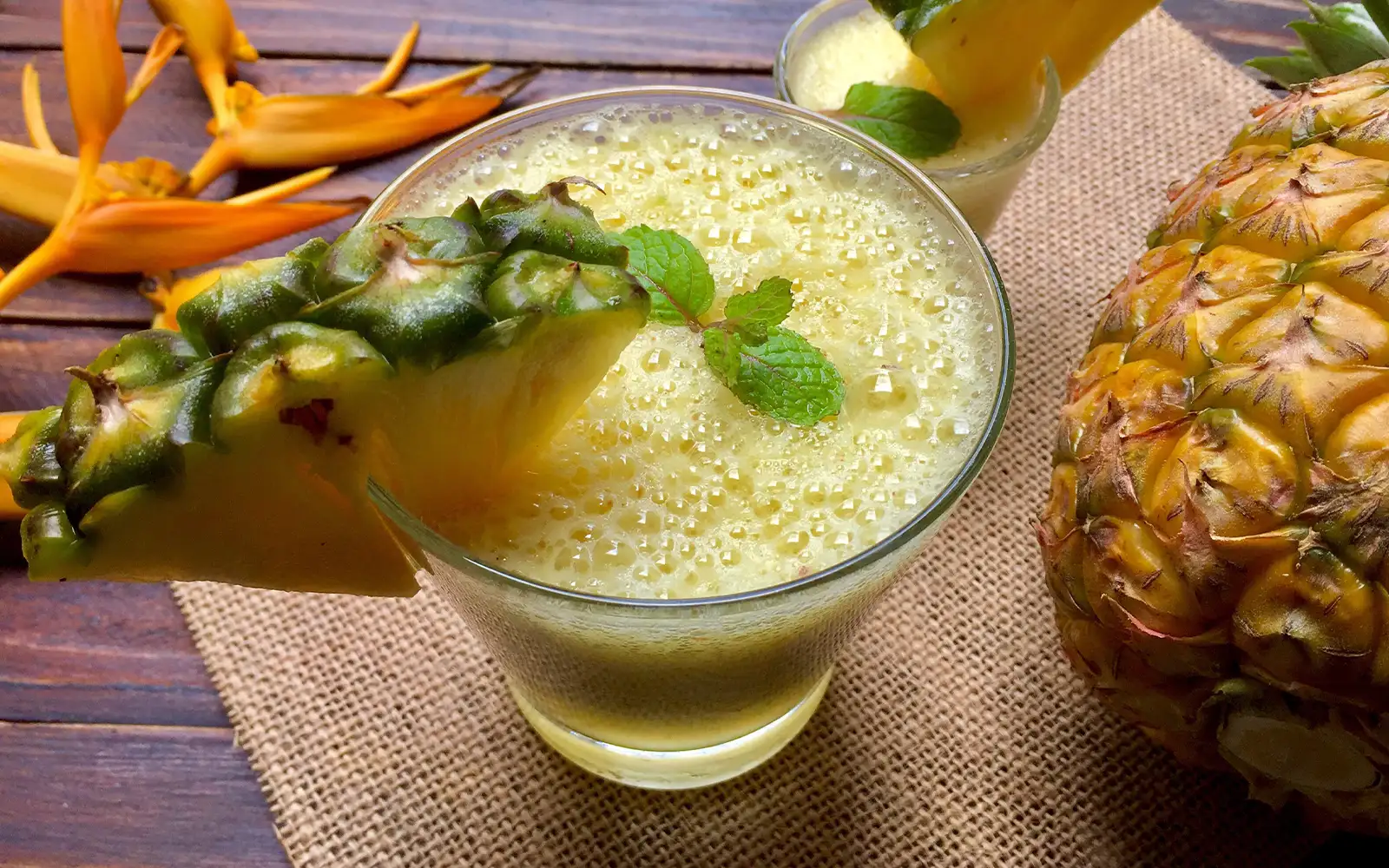
A sensible serving is about one cup of fresh pineapple. If you prefer juice, keep it to around three-quarters of a cup and opt for freshly squeezed. Juicing unfortunately removes most of the fibre. Blending is a smarter alternative.
A pineapple smoothie retains the fibre and can be paired with leafy greens, a little water and some ginger for extra zing. The result is refreshing, nourishing and easy to digest.
One final note: people with latex allergies may experience cross-reactions to certain fruits, including pineapple. Symptoms can range from mild itching to more severe reactions. If you have a known latex allergy, approach pineapple cautiously and seek medical advice if unsure.
In the end, pineapple more than earns its place as a fruit of prosperity. Rich in flavour, nutrients and symbolism, it brightens festive tables and everyday meals alike.
Whether served fresh, blended into a smoothie or presented proudly during Chinese New Year, pineapple is a sweet reminder that healthy eating can be joyful, colourful and steeped in tradition.
Read more articles by Indra Balaratnam here.
Indra Balaratnam is a consultant dietitian and a fellow of the Malaysian Dietitians’ Association. She runs her own private practice, Indra Balaratnam Nutrition, in Kuala Lumpur. Connect with her on Facebook and Instagram.