HANOI: Vietnam’s authorities selected a newly created subsidiary of real estate conglomerate Vingroup to develop the first phase of one of the country’s largest wind power projects.
The move excluded Morgan Stanley-backed German renewable firm PNE which said the decision came as a surprise.
It is the latest setback for foreign investors in Vietnam’s energy sector, after Hanoi last year retroactively cut subsidies for several renewable companies.
Diverging views over electricity prices and deadlines are also weighing on foreign investment in the country’s nascent liquefied natural gas and nuclear sectors.
The decision is a new win for Vingroup, Vietnam’s largest company by market capitalisation, which is expanding amid supportive government policies.
From its core real estate business it has branched out into tourism, education and healthcare. It owns Nasdaq-listed electric vehicle maker VinFast and last year set up companies in new sectors, including railways, steel, energy, entertainment and space.
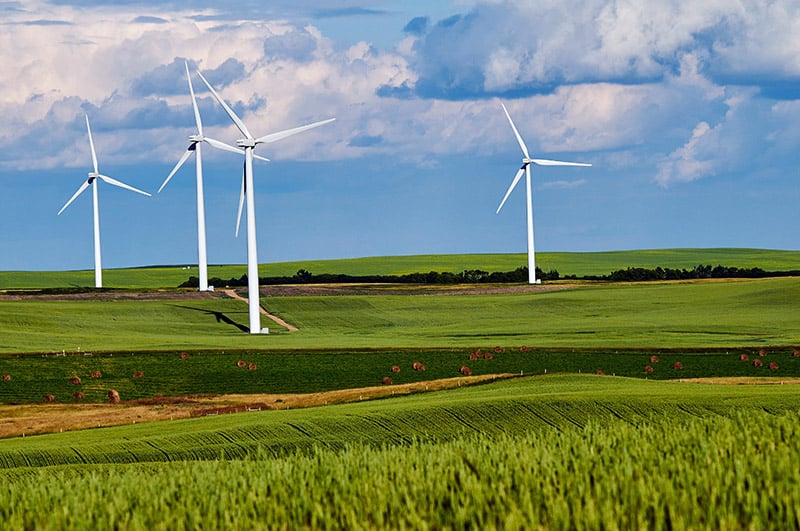
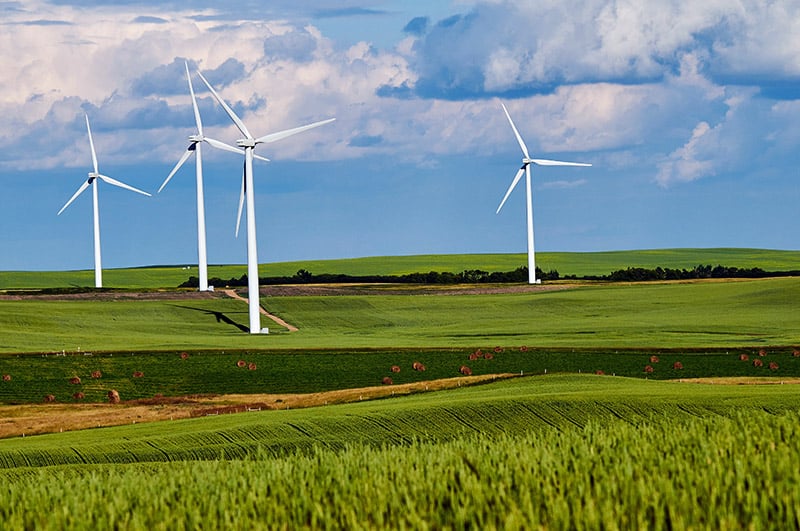
PNE planned to invest US$4.6 billion in the 2,000-megawatt offshore wind project, which was recently reclassified as nearshore despite no material changes to the original plan.
Vietnam wants to have 6,000 megawatts of offshore wind capacity by 2030-2035 from zero now and up to 38,000 MW from onshore and nearshore projects.
The People’s Committee of Gia Lai province approved the bid from Vingroup’s VinEnergo for the first 750-MW phase of the project with an investment of 48.3 trillion dong (US$1.87 billion), it said in a note earlier this week, without citing PNE and another Vietnamese bidder who were not selected.
“We have taken note of this decision with surprise. We are currently reviewing the reasoning and will then decide about the next steps,” PNE told Reuters.
VinEnergo has not developed any wind farms since its establishment in March.
Vingroup did not reply to a question about the project in Gia Lai but said VinEnergo had won projects in other provinces in Vietnam.
Gia Lai People’s Committee did not respond to a request for comment.
PNE has worked on the project since 2019, conducting feasibility studies and wind tests, two people familiar with the operations said. The sources declined to be named as they were not authorised to speak on the matter.
One said the company had already invested millions of dollars. PNE declined to comment on costs.
The sources said Vietnamese authorities raised unexpected concerns about PNE’s financial commitment, with one saying the firm was asked to preemptively deposit the investment money in Vietnamese accounts as a guarantee. Global investor Morgan Stanley Infrastructure owns a majority stake in PNE.
The German firm has opened an office in Vietnam and signed a memorandum of understanding with Vietnamese authorities on the pricing of electricity, it said on its website.
Multiple Western wind companies have quit Vietnam in recent months as part of global reorganisations, including Norway’s Equinor, Denmark’s Orsted and Italy’s Enel.
Vietnam’s top leader, To Lam, is pushing a new growth model supporting national champions, in a shift that at times has generated friction with foreign investors, which have been the backbone of Vietnam’s decades-long economic boom.
Vingroup has been a major beneficiary of the new policy. Its shares surged more than 700% last year.
The Southeast Asian country is a major hub for export-oriented foreign multinationals’ industrial operations.
Growing electricity demand has occasionally caused blackouts as it struggles to significantly boost power generation. It has often met additional needs by burning more coal, despite pledges to reduce its use.