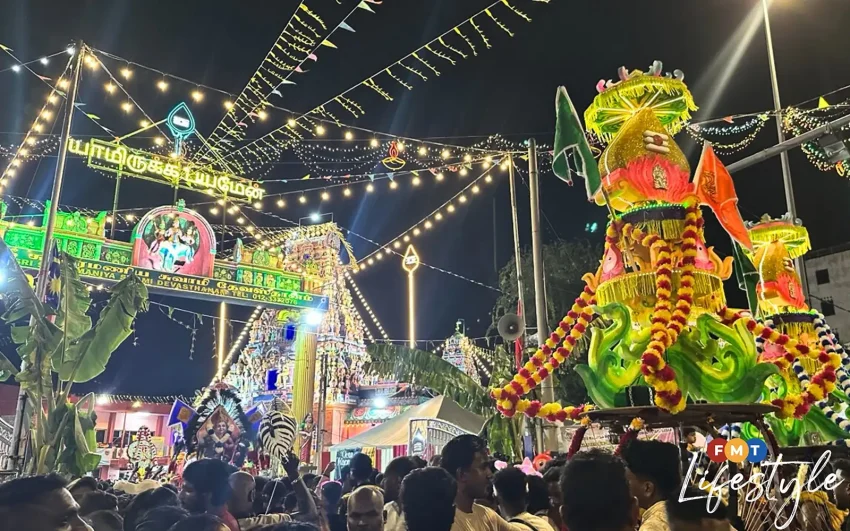
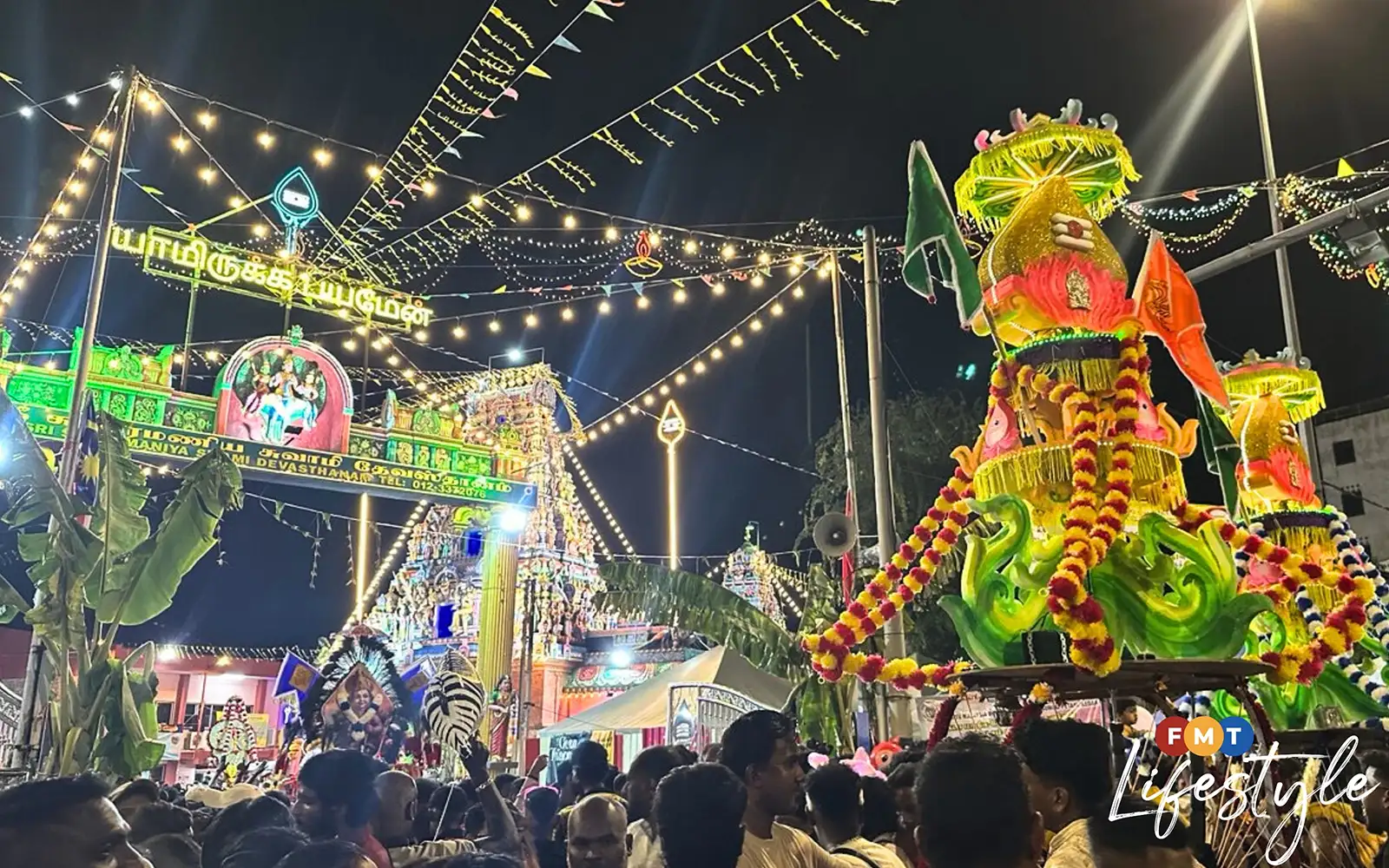
SUNGAI PETANI: When it comes to Thaipusam celebrations, many often think of the country’s best-known Murugan temples: Batumalai in Batu Caves, Thaneermalai in Penang’s Waterfall Hilltop Temple, or Kallumalai in Ipoh.
For Sungai Petani folk, however, the heart of the celebration begins and ends at Sri Subramaniya Swami Devastanam – a temple that may not dominate national headlines, but holds deep meaning for those who grew up here.
For many devotees, Thaipusam is not only about fulfilling vows. It is also about returning home – to celebrate this sacred festival with familiar faces, shared memories and the comfort of belonging.
Thaipusam is observed over three days, beginning with Chetti Pusam. On this day, crowds begin gathering early in the morning.
Among them are devotees carrying paal kudam, kavadi bearers, and worshippers with other offerings. Together, they stream into the temple grounds, turning the space into a flowing sea of colour, sound and prayer.
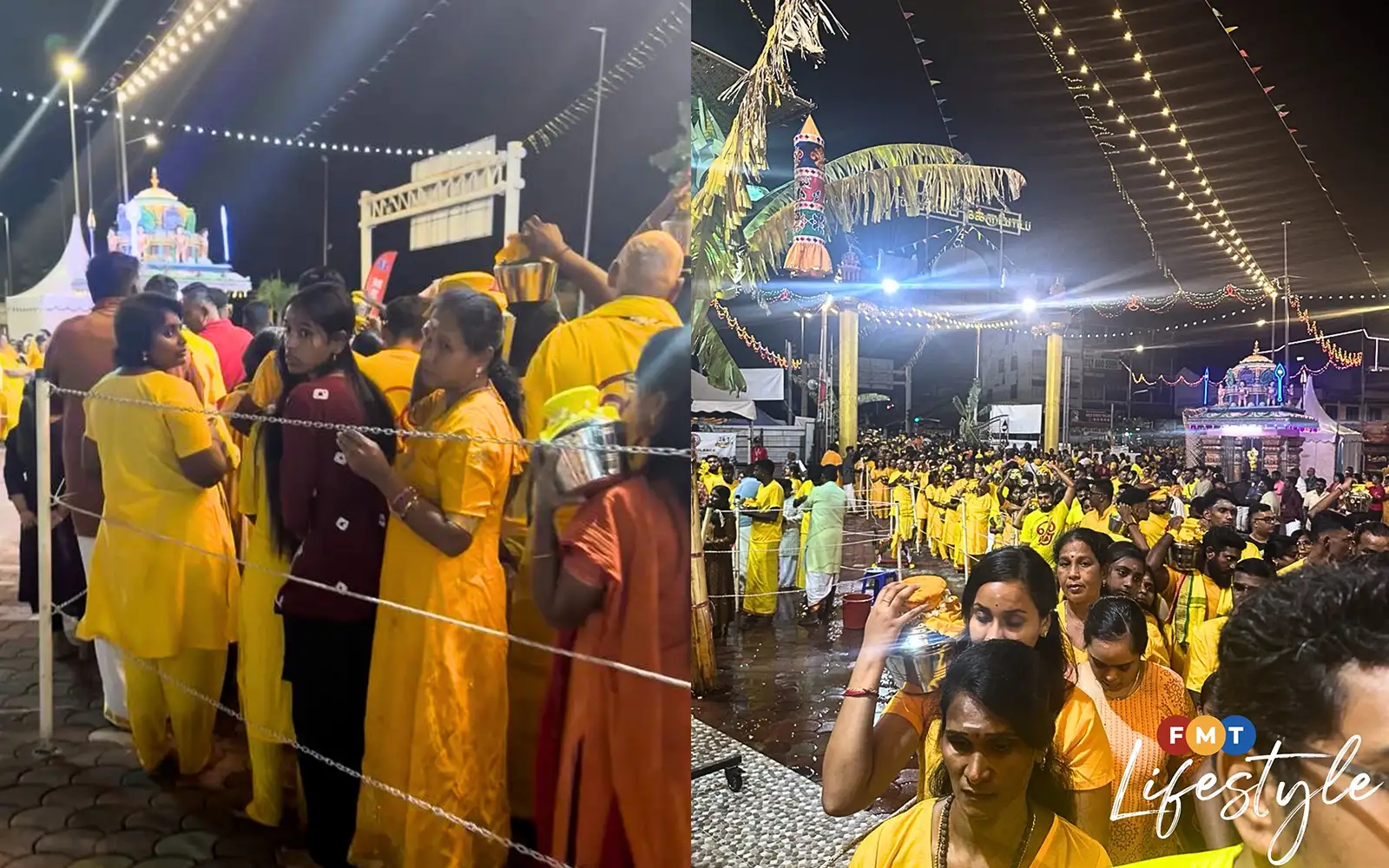
Traditionally, many begin carrying paal kudam from Chetti Pusam onwards. This year, however, the practice started a week earlier – a move devotees said helped ease congestion and ensure smoother traffic flow on Thaipusam day, when crowds tend to peak.
Organisers also introduced a simple but effective way to better manage the crowds by installing ropes along the edges to guide devotees forward.
During peak hours, the system allowed worshippers to offer their pots of milk to Lord Muruga in a more orderly and unhurried manner.
On Thaipusam day, devotion began as early as 3am, with devotees carrying paal kudam from two common starting points.
Some began their walk from the Sri Maha Muniswarar Temple, while others started from the Aiya Temple within the Sri Subramaniya Swami Devastanam compound.
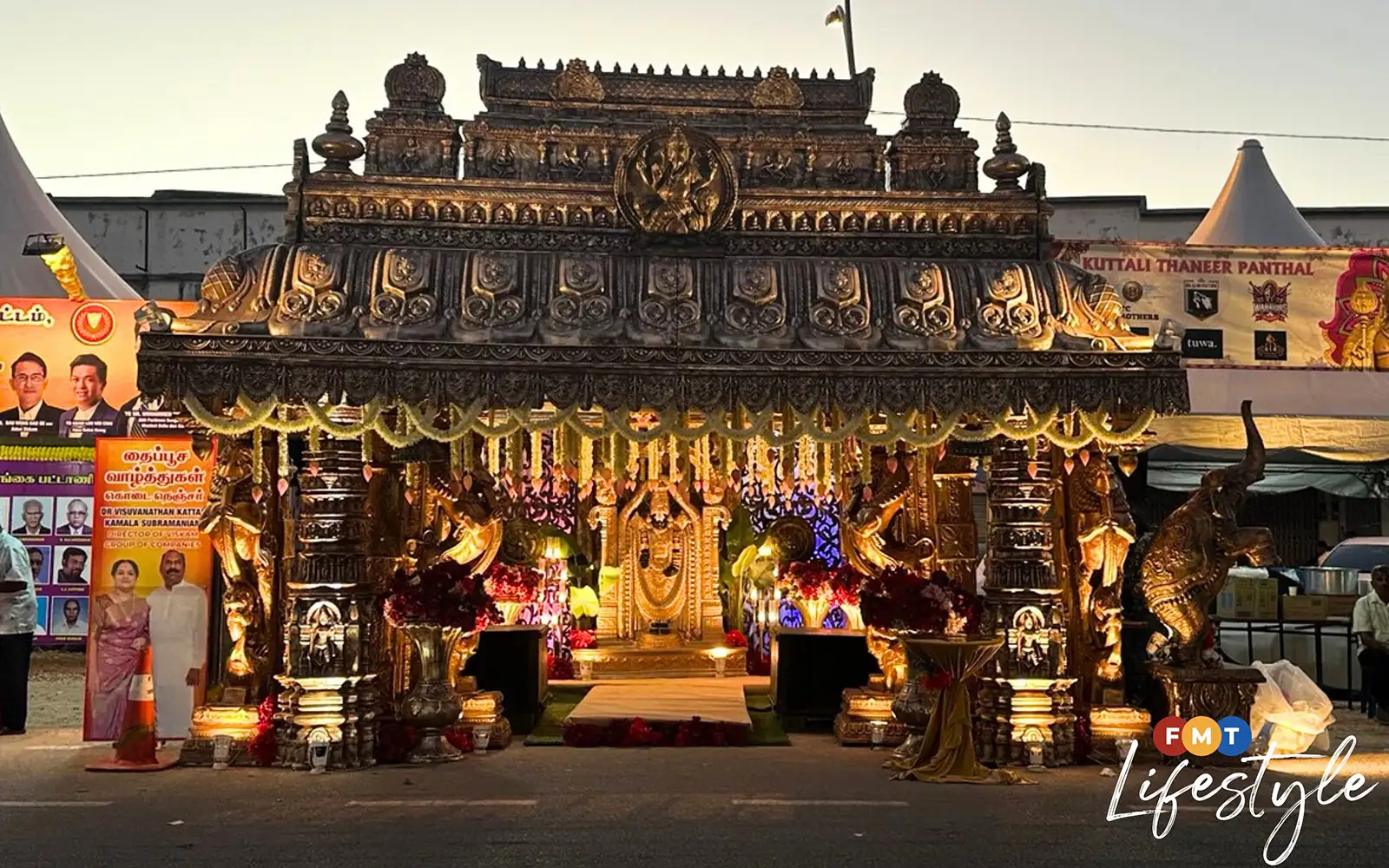
Along the way, panthals offered free food and drinks to the crowd. The generosity was palpable – buying food is often unnecessary, as meals are prepared by volunteers and shared freely so no one leaves hungry.
On Thaipusam day itself, devotees and visitors sat at rows of tables and chairs to be served hot meals – a small act of kindness that brought comfort after long hours of prayer earlier in the day.
Some panthals stood out visually, decorated with idols and temple-inspired sculptures that transformed the surroundings into something both sacred and striking.
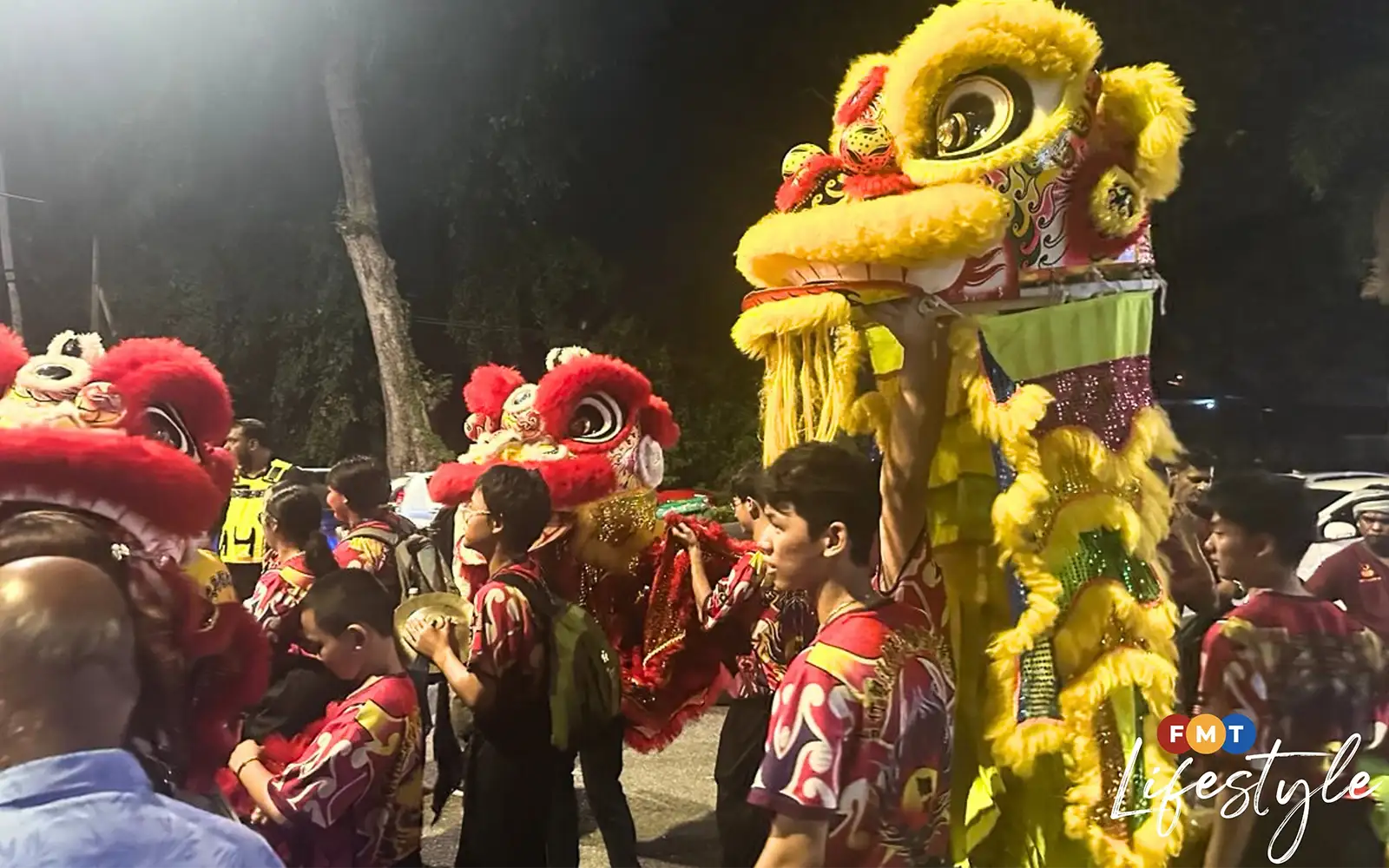
The festive bustle here also reflects Malaysia’s multicultural makeup.
Malay traders were seen selling watches, bags, snacks and drinks alongside stalls offering decorative lights and bubble toys, drawing children wide-eyed with wonder.
Cultural performances, including lion dances, added another dimension to the celebration, while Chinese devotees were seen carrying paal kudam.
While Chetti Pusam and Thaipusam day draw the largest crowds, the final day – which falls today – offers its own highlight.
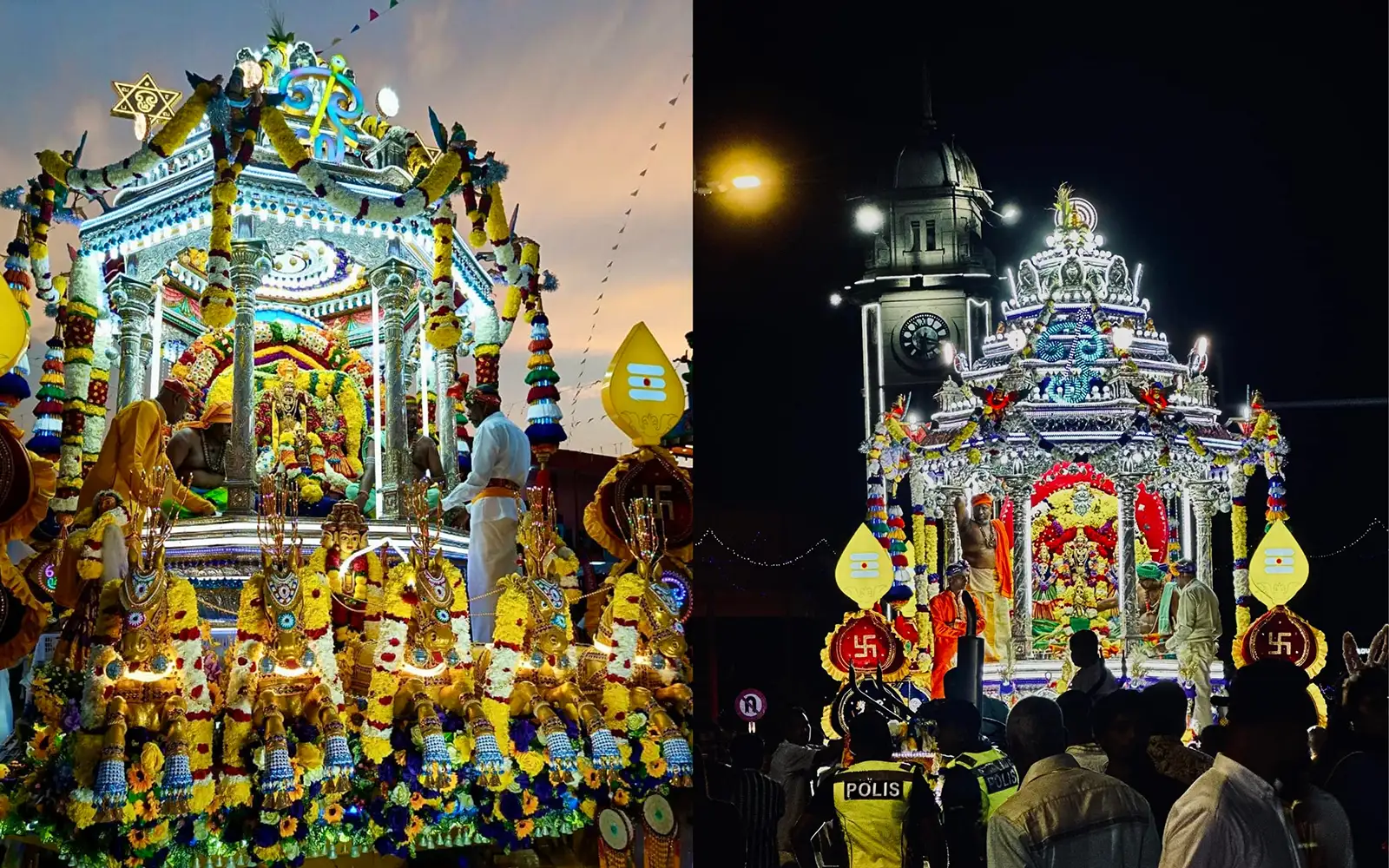
In Sungai Petani, this is when the chariot procession takes place, weaving through the town at night. Beautifully lit, the chariot draws devotees and onlookers alike for the final moments of the Thaipusam celebration.
Beyond ritual, the festival is also a reunion of sorts. Friends reconnect, relatives walk together, and familiar faces from the past reappear unexpectedly – gentle reminders of home.
In a country where Thaipusam is often defined by its biggest landmarks, Sungai Petani offers a quieter kind of devotion. Sometimes, celebrations feel most meaningful in the temple you grew up visiting, the streets you know by heart, and the generosity of strangers who ask for nothing in return.