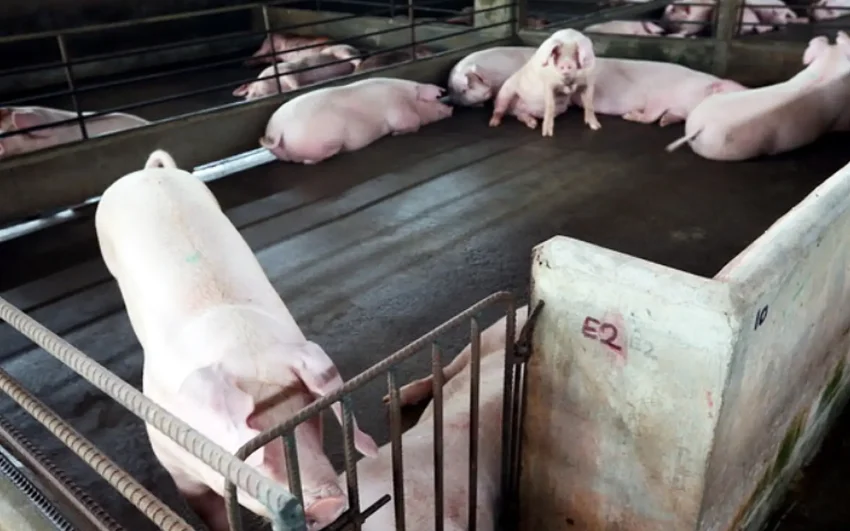
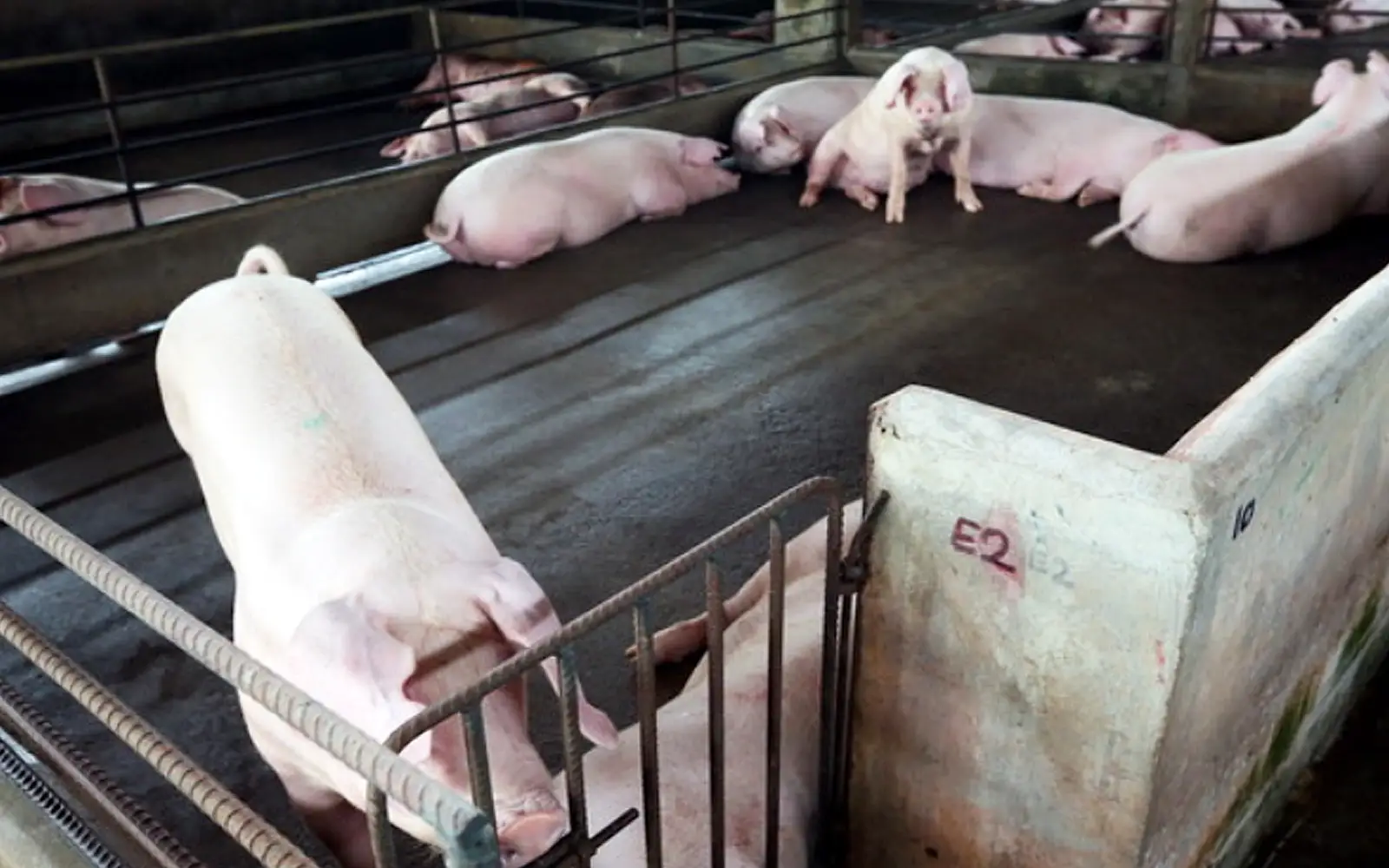
KUALA LUMPUR: Pork supply for the upcoming Chinese New Year celebrations will not be affected by the Selangor government’s cancellation of its plan to centralise pig farming in Bukit Tagar, says deputy agriculture and food security minister Chan Foong Hin.
Chan said any shortfall in pork supply would be supplemented by imports of frozen meat, as well as from farms in other states, especially Perak, which accounts for about 60% of the live pig market in Peninsular Malaysia.
“We have always had a sufficient supply of pork,” he told reporters at a press conference in Parliament today.
Yesterday, Selangor menteri besar Amirudin Shari said the plan was cancelled last week after state infrastructure and agriculture committee chairman Izham Hashim reported strong opposition to the project.
Part of the recent pig farming controversy involves farms in Tanjung Sepat, which have been accused of disposing of waste without proper treatment or compliance with regulations.
However, Chan noted that pork production in Tanjung Sepat had already declined since last year due to African swine fever. “So Selangor, in fact, does not produce much (pork),” he said.
Chan said he had also met major pig farmers in Perak last week who affirmed their commitment to not raise prices for the festive period.
“Any hike in pork prices is not caused by the farmers. They may be caused by different partners along the supply chain,” he said.
Chan was speaking at the launch of the Local Fruit Baskets initiative, organised in collaboration with the Federation of Malaysian Fruit Farmers’ Associations for the Chinese New Year.
He said the initiative aimed to promote Malaysian-grown fruits as festive gifts, in an effort to reduce reliance on imported mandarin oranges, which cost the nation up to RM400 million annually.
Chan said Malaysia recorded an 80% overall self-sufficiency rate for fruits last year, and achieved 100% self-sufficiency for durian, papaya, guava, pineapple, banana and watermelon.
He said federal and state agencies had also been encouraged to serve local fruits at official events as a show of support for domestic agriculture and local farmers.