JERUSALEM: Israeli forces were searching a cemetery in the Gaza Strip on Sunday for the remains of Ran Gvili, the last hostage still in the Palestinian territory, officials said.
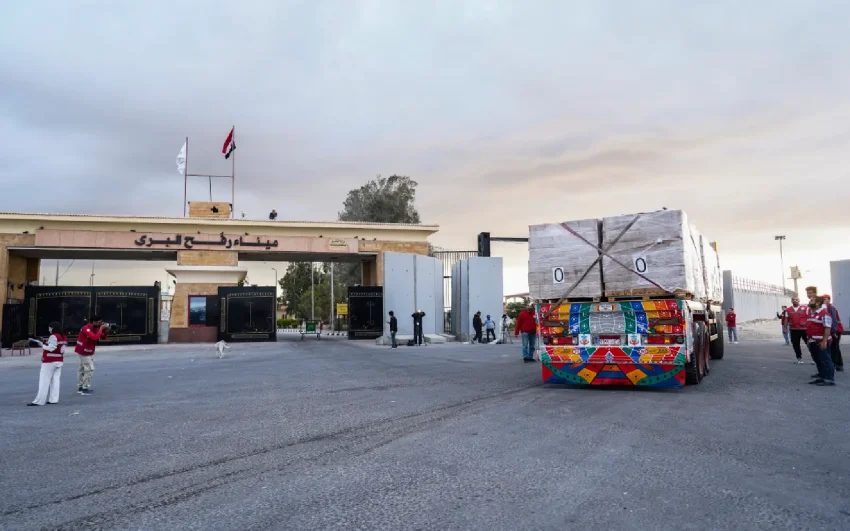
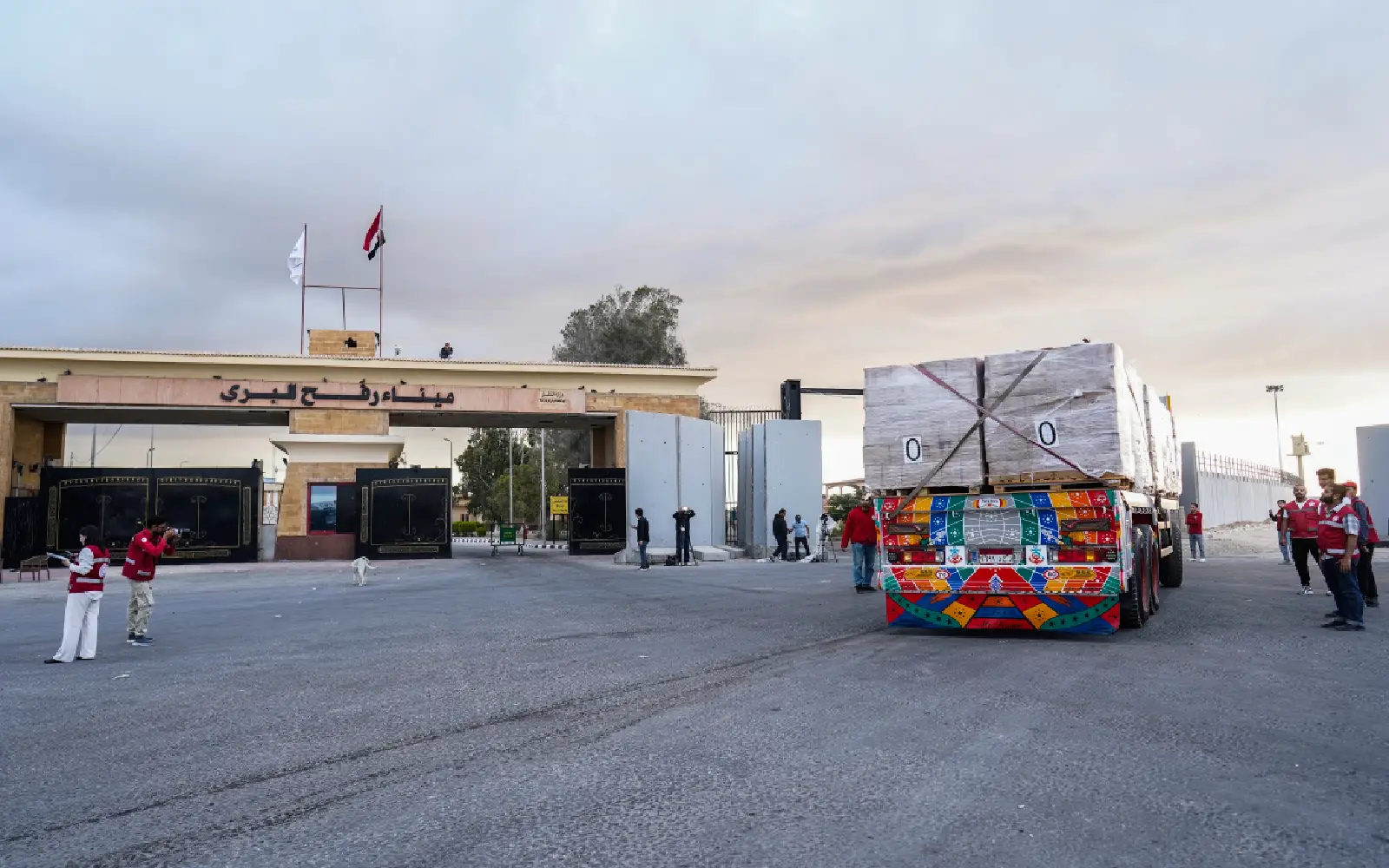
The announcement of the search came after visiting US envoys reportedly pushed Israeli officials to reopen Gaza’s Rafah crossing, a vital entry point for aid, even before the slain police officer’s body was recovered.
“The operation is taking place at a cemetery in northern Gaza and involves extensive search efforts, making full use of all available intelligence. This effort will continue for as long as necessary,” Prime Minister Benjamin Netanyahu’s office said.
The Israeli military confirmed troops were engaged in a “targeted operation in the area of the Yellow Line in northern Gaza to retrieve the body” of Gvili.
Under a US-brokered ceasefire that came into effect on October 10, Israeli forces have withdrawn to positions in Gaza behind the so-called “Yellow Line”, though they remain in control of more than half of the territory.
Abu Obeida, spokesman for Hamas’s Ezzedine Al-Qassam Brigades, said on Sunday that the group had “provided mediators with all the details and information in our possession regarding the location of the captive’s body”.
Obeida added that “the enemy (Israel) is currently searching one of the sites based on information transmitted by the Al-Qassam Brigades”.
A military official told AFP that indications were that Gvili “may have been buried in the Shujaiya-Daraj Tuffah area”.
“Intelligence on this location has been in our possession for some time and has been refined recently,” the official added.
“Specialised units are on the ground, including rabbis, search teams, and dental experts, who are assisting in identifying Ran.”
Hamas ‘still holding our son’
All of the 251 people taken hostage during Hamas’s October 7, 2023 attack on Israel — which triggered the Gaza war — have since been returned, whether living or dead, except for Gvili.
A non-commissioned officer in the Israeli police’s elite Yassam unit, Gvili was killed in action on the day of the attack and his body taken to Gaza.
The first phase of the US-backed ceasefire deal had stipulated that Hamas hand over all the hostages in Gaza.
Gvili’s family had expressed strong opposition to launching the second phase of the plan, which includes reopening the Rafah crossing between Gaza and Egypt, before they had received his remains.
“First and foremost, Ran must be brought home,” the family said in a statement issued earlier on Sunday.
“Hamas is still holding our son, Ran, captive. Hamas has not disarmed, and the State of Israel cannot proceed with opening the Rafah Crossing while Hamas continues to deceive the world.”
The reopening of Rafah was discussed in a meeting held on Saturday between Netanyahu and visiting US envoys Steve Witkoff and Jared Kushner, Israeli media reports said.
Israeli news site Ynet reported, citing an unnamed Israeli official, that while the meeting was “positive”, Witkoff pressed Israel to reopen Rafah without waiting for Hamas to return Gvili’s remains.
According to the official, Witkoff also raised the possibility of Turkey playing a role in Gaza’s future.
“Witkoff pushed to bring our greatest rival, Turkey, to our border,” the official was quoted as saying, adding the “clock is ticking toward a confrontation with Turkey”.
The official also accused Witkoff of acting on behalf of Doha, telling Ynet he had “become a lobbyist for Qatari interests”.
Rafah a ‘lifeline’ for Gaza
Netanyahu has repeatedly rejected any Turkish role in post-war Gaza, despite US President Donald Trump having invited President Recep Tayyip Erdogan to join his so-called “Board of Peace”.
Relations between Israel and Turkey have deteriorated since the war in Gaza broke out in October 2023.
Reopening Rafah is part of the Gaza truce framework announced by Trump in October, but the crossing has remained closed after Israeli forces took control of it during the war.
However, Ali Shaath, appointed to head a committee of 15 Palestinian technocrats tasked with overseeing Gaza’s day-to-day administration, said at the World Economic Forum in Davos on Thursday that the gateway would reopen next week.
The crossing is a key entry point for humanitarian aid to Gaza’s 2.2 million residents.
“For Palestinians in Gaza, Rafah is more than a gate, it is a lifeline and a symbol of opportunity,” Shaath said.