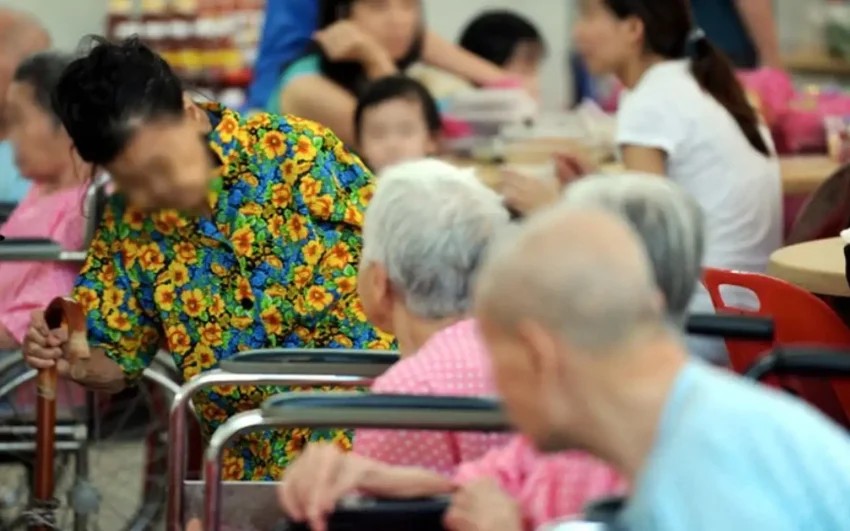
PETALING JAYA: The struggles faced by many caregivers in Malaysia – juggling medical appointments, home care, and emotional support while managing their own lives – are not isolated stories.
Their experiences highlight a deeper, systemic problem: the country’s eldercare infrastructure is fragmented, under-resourced, and still largely reliant on families to shoulder the burden.
As the nation’s population ages, the question becomes not just how seniors are cared for, but how the system supports those who care for them.
Over a span of three years, Hospital Kuala Lumpur reported a 50% increase in patient abandonment, with cases rising from 239 in 2020 to 358 in 2023, especially during festive seasons.
Nearly half of those left behind were seniors aged 60 and above.
The statistics department, meanwhile, projects that the percentage of citizens aged 65 and above will rise from 8.1% in 2024 to 14.5% by 2040.
What Malaysia needs
“To truly support our ageing population, the Malaysian government needs to prioritise an integrated healthcare system that ensures seamless care – especially for seniors managing chronic conditions. Right now, services are too fragmented, making it difficult for caregivers to navigate.”
So says Prof Dr Shahrul Bahyah Kamaruzzaman, president of the Malaysian Healthy Ageing Society (MHAS), a non-profit organisation dedicated to educating stakeholders on numerous healthy ageing issues.
“At the same time, community-based programmes like Pusat Aktiviti Warga Emas can promote active ageing and serve as vital support hubs. Together, these efforts can uplift not just older Malaysians, but society as a whole,” she added.
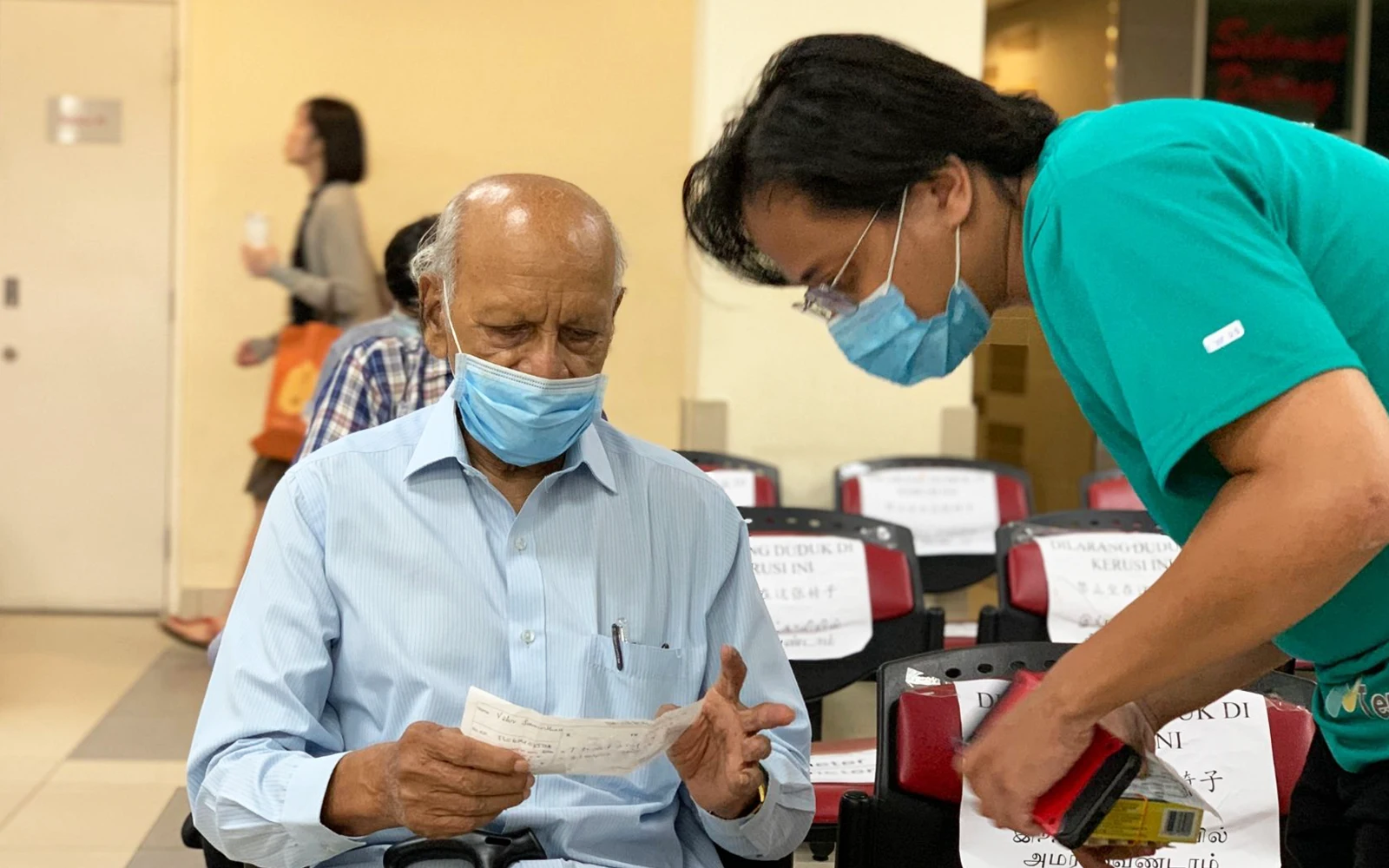
In the meantime, the country is still awaiting the much-needed Senior Citizens Bill, which aims to ensure the elderly are treated with dignity, respect, and fairness across society.
Elsewhere, the Malaysian Bar has urged the government to include provisions on:
- legal protections guaranteeing healthcare, safety, and dignity for seniors;
- accountability for abuse, including emotional, physical, and financial mistreatment;
- community-based care – more trained caregivers, regulated eldercare facilities, and inclusive mental health and legal aid support;
- mandatory licensing of care homes to protect residents.
Caregivers call for change
Caregivers and experts, too, have identified essential reforms:
- expand access to affordable, home-based care, especially in rural and semi-urban areas;
- invest in long-term geriatric care facilities and train more healthcare personnel;
- implement cash-for-care allowances and inclusive social safety nets like i-Suri;
- recognise and compensate unpaid care work through tax relief, EPF contributions, and caregiver leave policies.
While these reforms can lighten burdens, caregivers long for a simpler, kinder need – to be seen and heard.
At the end of the day, the elderly are not simply recipients of charity; they have rights and contributions to society. If Malaysia continues to treat eldercare as a private, invisible burden, we risk failing both seniors and those who look after them.
Real support means infrastructure, policy, and a national commitment to dignity in ageing. So, before we ask who will care for us when we grow old, we must ask – who’s caring for the caregivers now?
This article was originally written by Hemala Devaraj for makchic, a Malaysian-based online site for chic, curious, and spirited parents. Since 2013, makchic has been providing trustworthy and authentic family-related content. For diverse stories of parenthood that inform, support and uplift all families, visit makchic.com and follow them on Instagram and Facebook.
Read more makchic stories on FMT Lifestyle here.