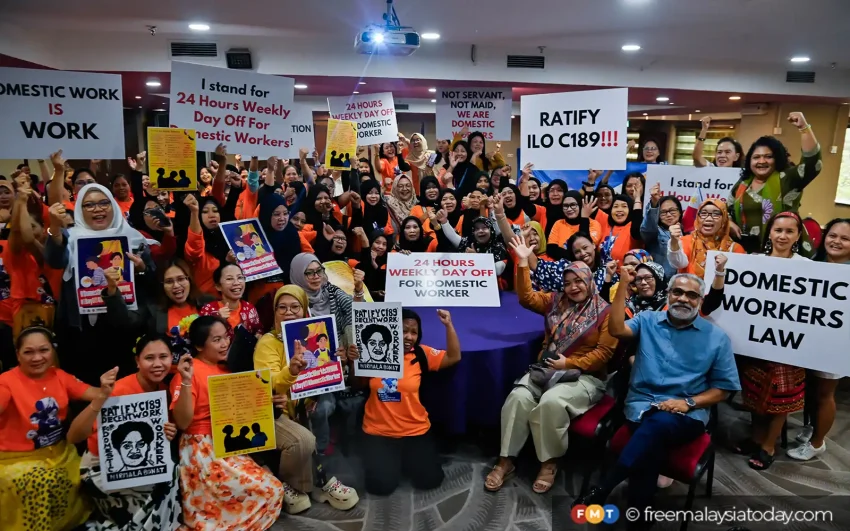
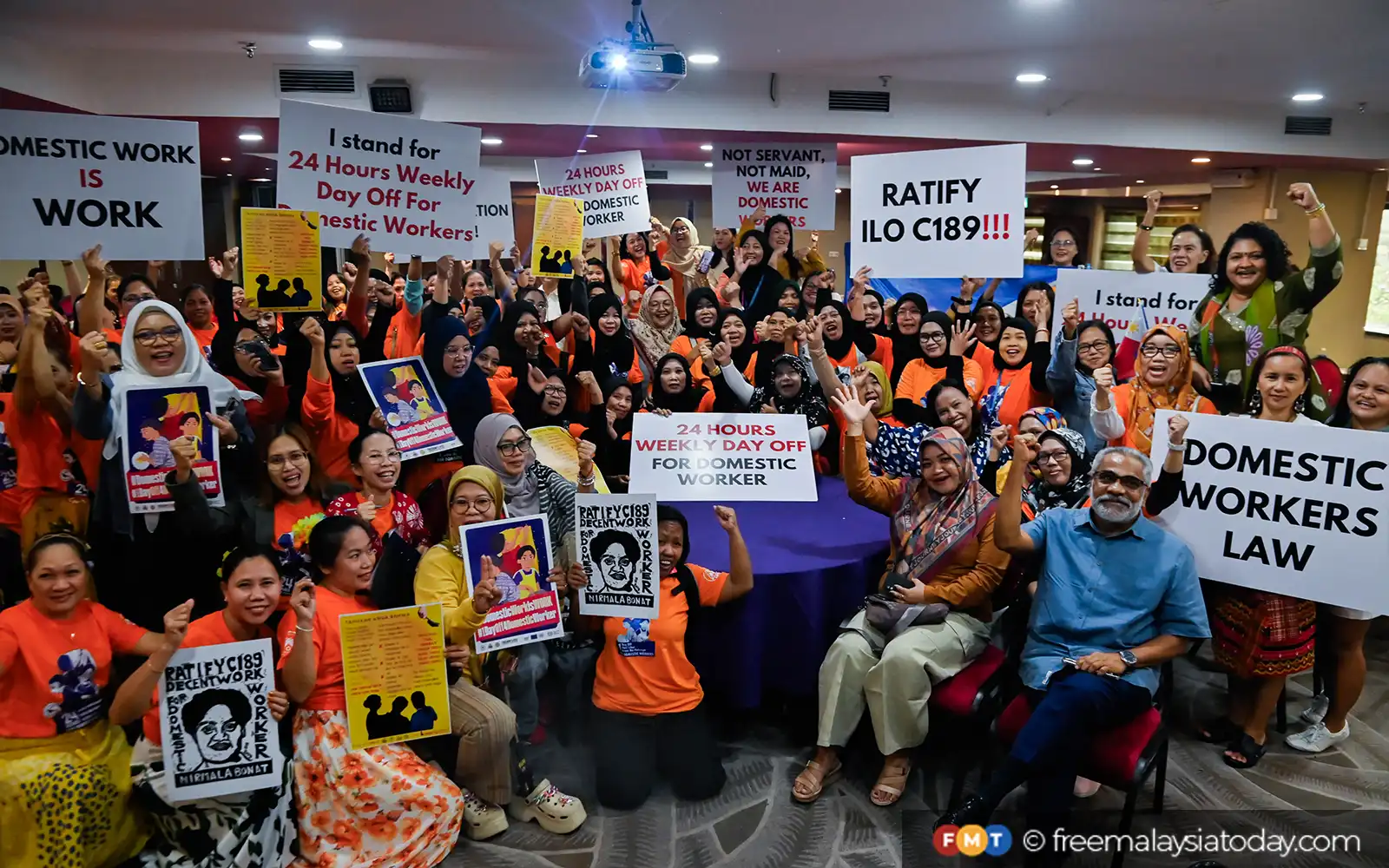
PETALING JAYA: Migrant rights group Tenaganita has taken human resources minister R Ramanan to task over his statement that no new laws are needed to protect foreign domestic workers, saying the reality on the ground shows the dire need for more safeguards.
Tenaganita executive director Glorene Das said the NGO’s fieldwork for more than 30 years has found that domestic workers in Malaysia remain systematically excluded from full protection under labour laws, including the Employment Act 1955.
“As a result, they continue to face excessive working hours, denial of rest days, non-payment of wages, food deprivation, confinement, passport retention, physical and sexual abuse, and barriers to justice.
“These are not isolated cases; they are patterns we document year after year,” Das said in a statement.

She also pointed out that domestic work has yet to be recognised as work under the law.
This lack of recognition, she said, has excluded domestic workers from core labour protection, and created a power imbalance that enables abuse against these workers with impunity.
On Tuesday, Ramanan was reported as ruling out the need for a new law to protect domestic workers, saying that undertaking comprehensive amendments to existing laws would be a more appropriate approach.
He cited the Employees Provident Fund Act 1991 (Act 452) as an example, which could be amended to ensure domestic workers are formally recognised as employees and placed under mandatory protection, News Straits Times reported.
However, Das said piecemeal amendments do not address structural exploitation.
She said that limited administrative or social security measures, while welcome, do not replace comprehensive labour protection.
She also said existing laws fail in enforcement or provide access to justice, as many domestic workers are unable to report abuse due to fear of arrest, detention, or deportation.
Das called for full recognition of domestic workers as workers under the labour law, as well as clear standards on wages, working hours, rest days, leave, and living conditions.
She also proposed effective labour inspection and complaint mechanisms to be put in place, as well as for the workers to be provided protection from retaliation and immigration penalties when reporting abuse.