BEIJING: Situated in the beating heart of Beijing, the Forbidden City was the former imperial palace of the Ming and Qing dynasties and the erstwhile political centre of China for over 500 years.
The rectangular palace complex was termed “forbidden” because commoners were largely prohibited from setting foot in the grounds until 1912, when the palace’s vermillion gates flung open following the fall of the Qing dynasty to a democratic revolution and the abdication of the last Chinese emperor, Pu Yi.
As the former royal residence of 24 Ming and Qing emperors, it not only witnessed the rise and fall of dynasties but also served as a veritable ground of palace intrigues.
But equally interesting are the oriental principles governing the construction of these beautiful buildings and their architectural details.
Organised along a north-south axis, the Forbidden City was planned according to customs outlined in Kaogong Ji, “The Book of Diverse Crafts” published over 2,000 years ago.
The whole palace complex – measuring approximately 72 hectares, and the largest in the world – was said to be built without hammering a single nail. Instead dougong, a complicated interlocking block-and-bracket system was used in the construction of all its majestic roofs.
Having the Forbidden City face south was to symbolise warmth and prosperity, while ensuring that visiting dignitaries could be ushered straight into the meeting hall located at the centre of the palace complex.
My tour began at the Meridian Gate, one kilometre north of the famous Tiananmen (Gate of Heavenly Peace), which sports the iconic portrait of Mao Zedong.
After passing the imposing vermillion wall and stringent security checks, we entered the Outer Court where state affairs and public functions were conducted.
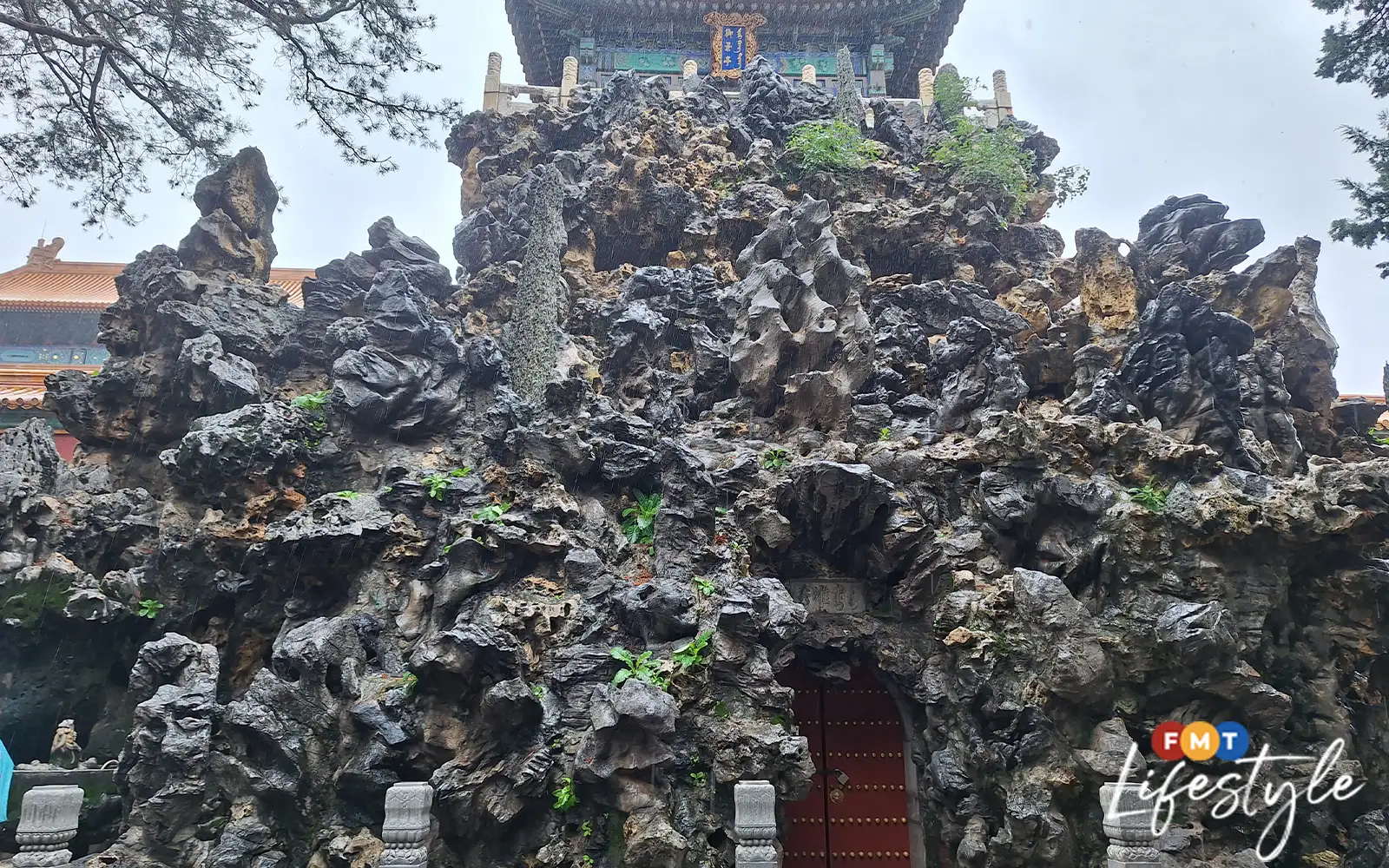
My first impression was that the layouts and designs of the houses, temples and grand halls were strikingly uniform and symmetrical, with a near absence of trees in the large compound – the tour guide explained that it was to prevent assassins from hiding in bushes.
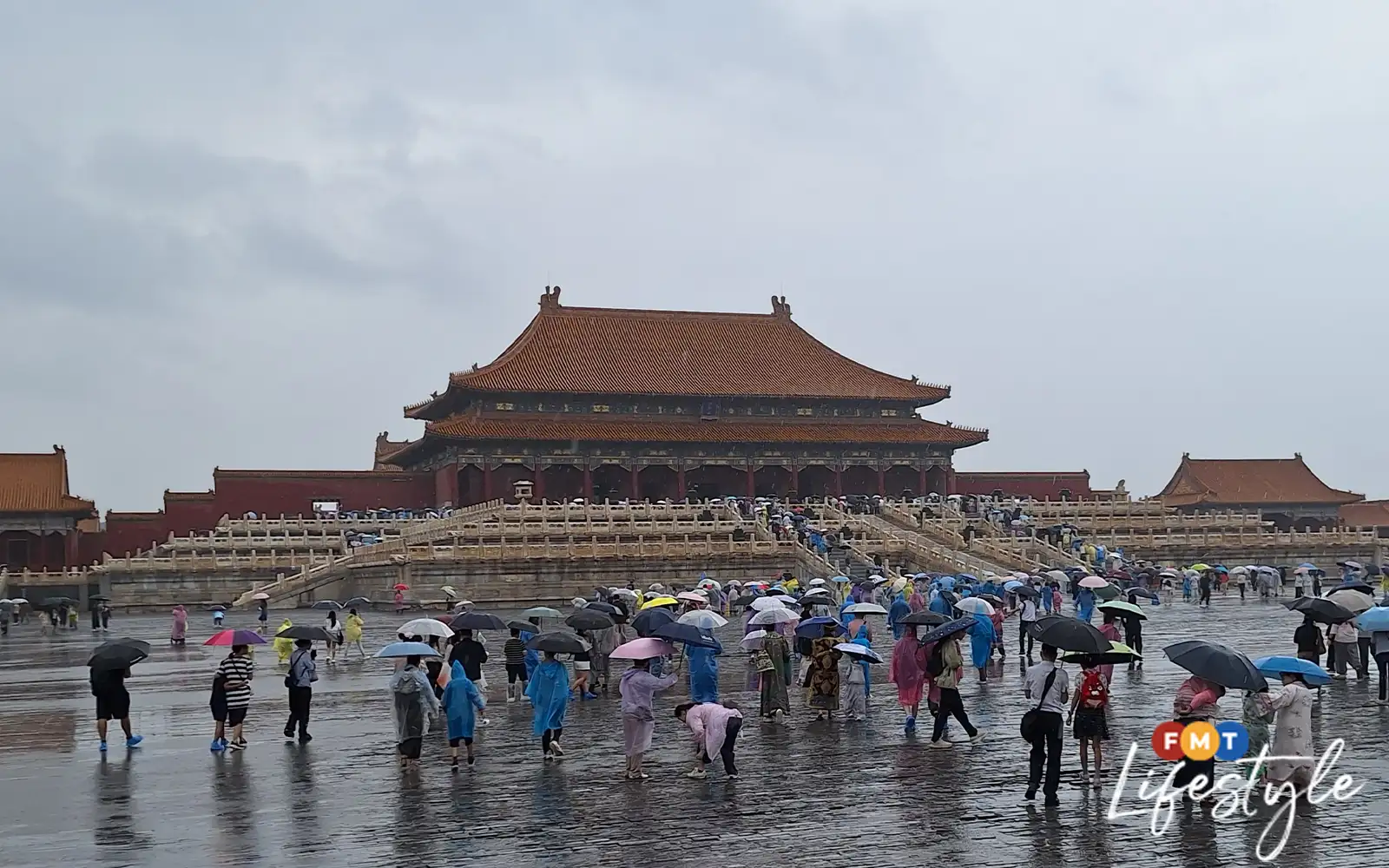
The grandest palace in the Forbidden City is the Hall of Supreme Harmony, which served as the imperial venue for the most important state functions.
Topped with a double-hipped roof with upward-curving ends, the stately pavilion was erected on a triple-level marble platform, accessible via steps flanked by intricately carved balustrades and nineteen bronze incense burners – the total number of districts ruled by the Qing dynasty.
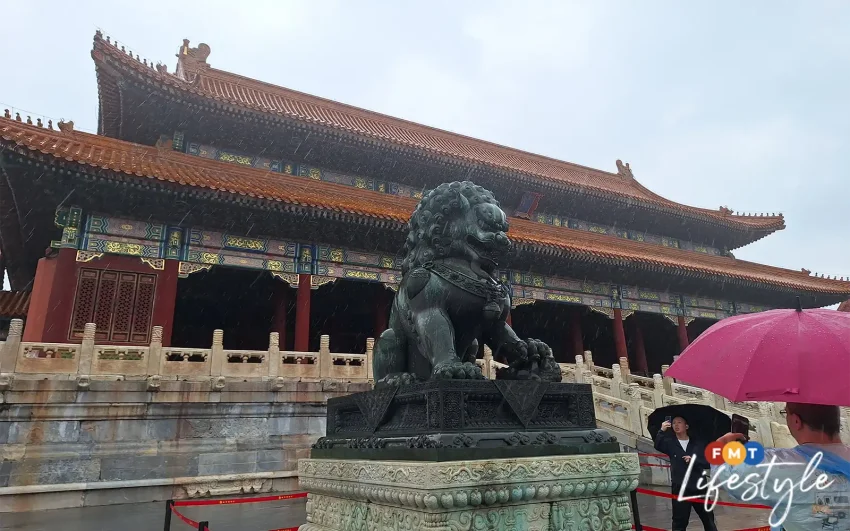
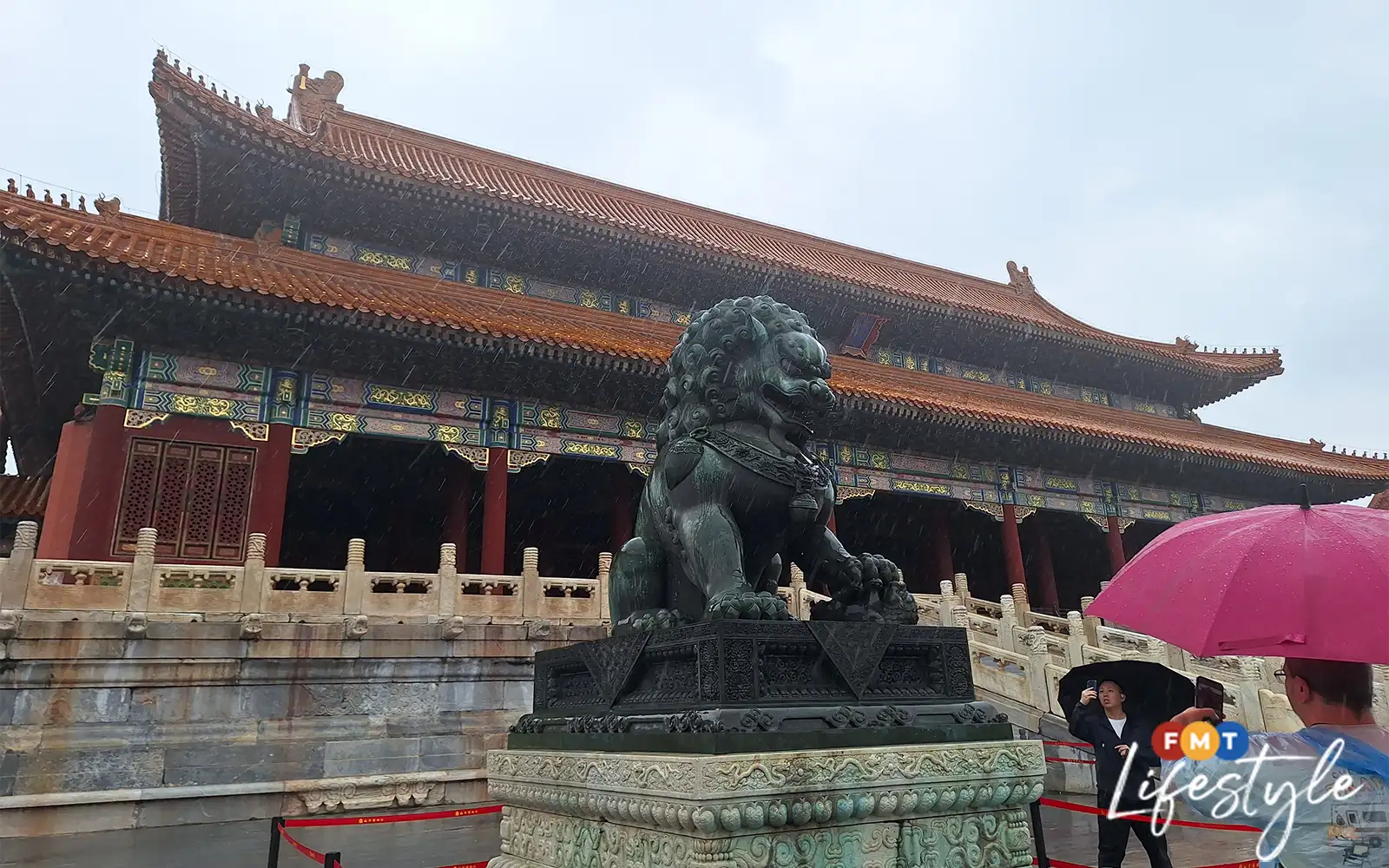
Guarding the entrance are two muscular and growling bronze lion statues, streaked with traces of blue-green verdigris, while at the hall’s centre sits the regal golden-coloured Dragon Throne.
The architectural details here are replete with traditional symbols: red paint for good future; yellow for supreme power; and five-clawed dragons for royal strength.
Further venturing north, we reached the Gate of Heavenly Purity, leading into the Inner Palace – the private quarters of the imperial family and its retinue of concubines, servants, and eunuchs which numbered around 2,000.
Once rife with imperial secrecy and power struggles among the concubines, the imperial domestic grounds continue to inspire popular dramas like “Story of Yanxi Palace” and “Return of the Pearl Princess”.
The centrepiece here is the Palace of Heavenly Purity, once the emperor’s residence during the Ming dynasty and, for some time, the Qing dynasty.
Nightly, the emperor would handpick his desired concubine, and the prized lady would then be carried from the harem in a sedan to one of the nine rooms for their conjugal fraternisation.
For security reasons, the emperor rarely slept in the same room on consecutive days.
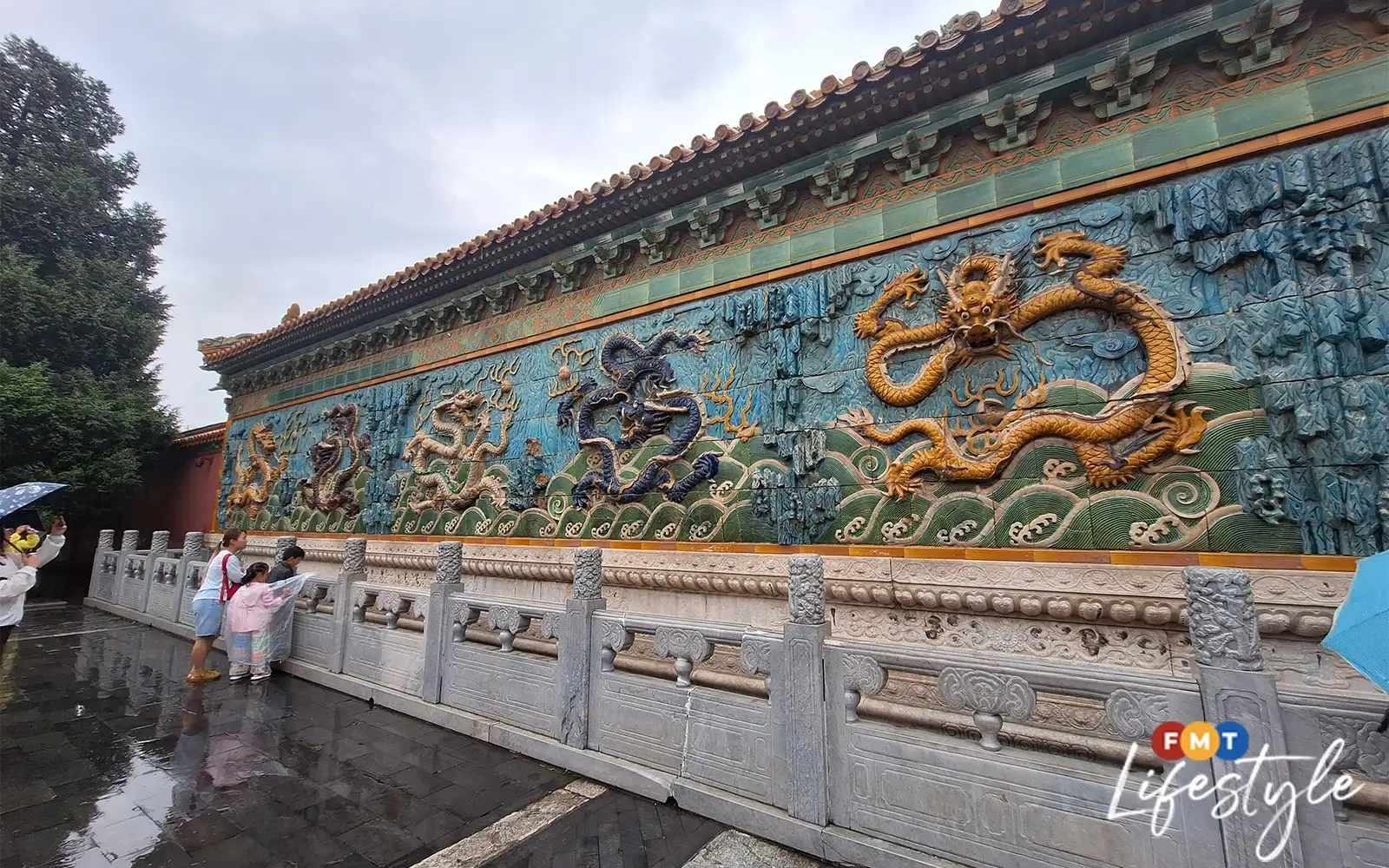
Another highlight is the Treasure Gallery exhibited at the Palace of Tranquil Longevity. Before entering the gate, is the splendid nine-dragon screen made of glazed coloured tiles – a depiction of imperial strength.
The treasure trove features a slew of precious stone carvings, ceremonial instruments, and exquisite curios adorning former imperial residences.
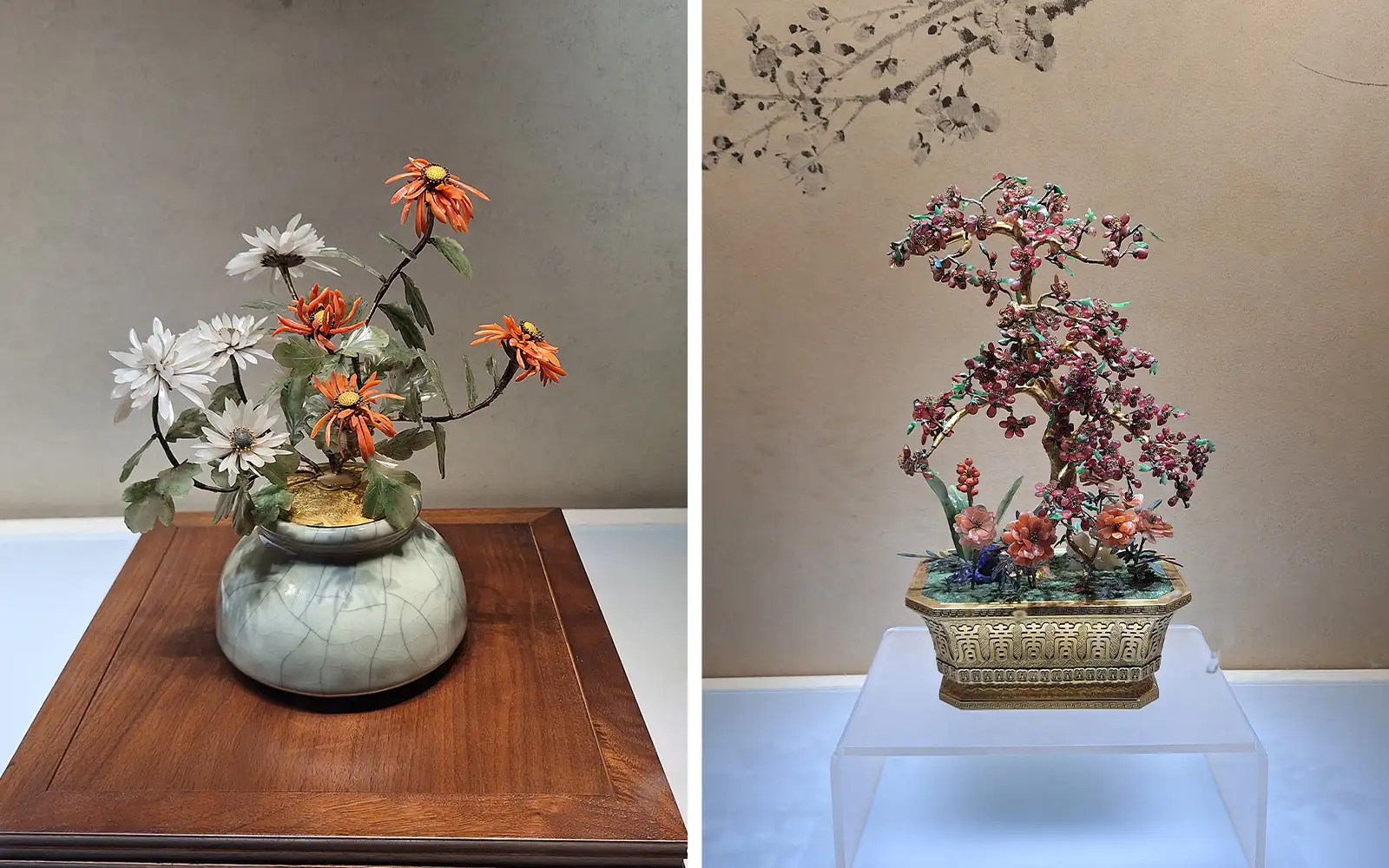
One of the most impressive treasures was a gemstone bonsai resembling a cluster of white chrysanthemum and tangerine flowers. But on closer inspection, the leaves, petals, and branches revealed themselves to be intricately trimmed jade and precious minerals arranged to resemble blooming flowers.
Near the tour’s end, was the “Well of Concubine Zhen”, believed to be the site where Zhenfei – the Guangxu Emperor’s most beloved consort – was thrown into the well by eunuchs under the orders of Dowager Empress Cixi.
The Gate of Divine Prowess sits at the end of the palace grounds, bringing an end to the tour of the grandeur and decadence of the Forbidden City.