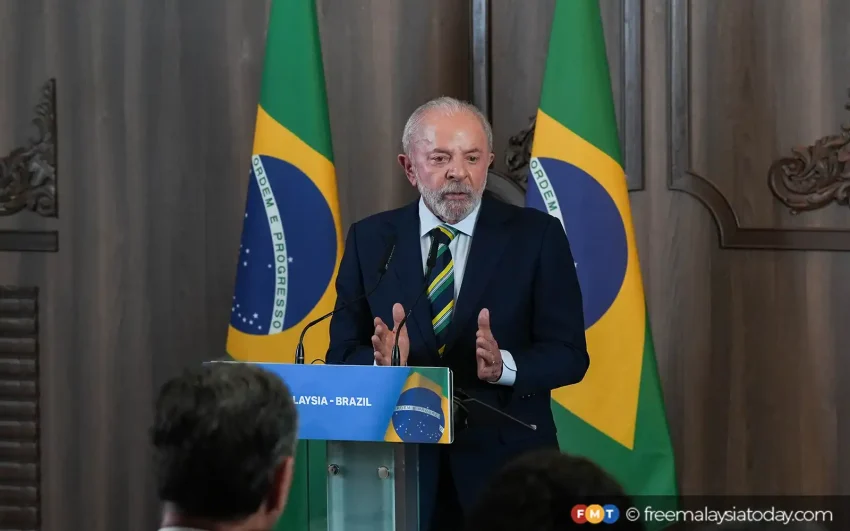
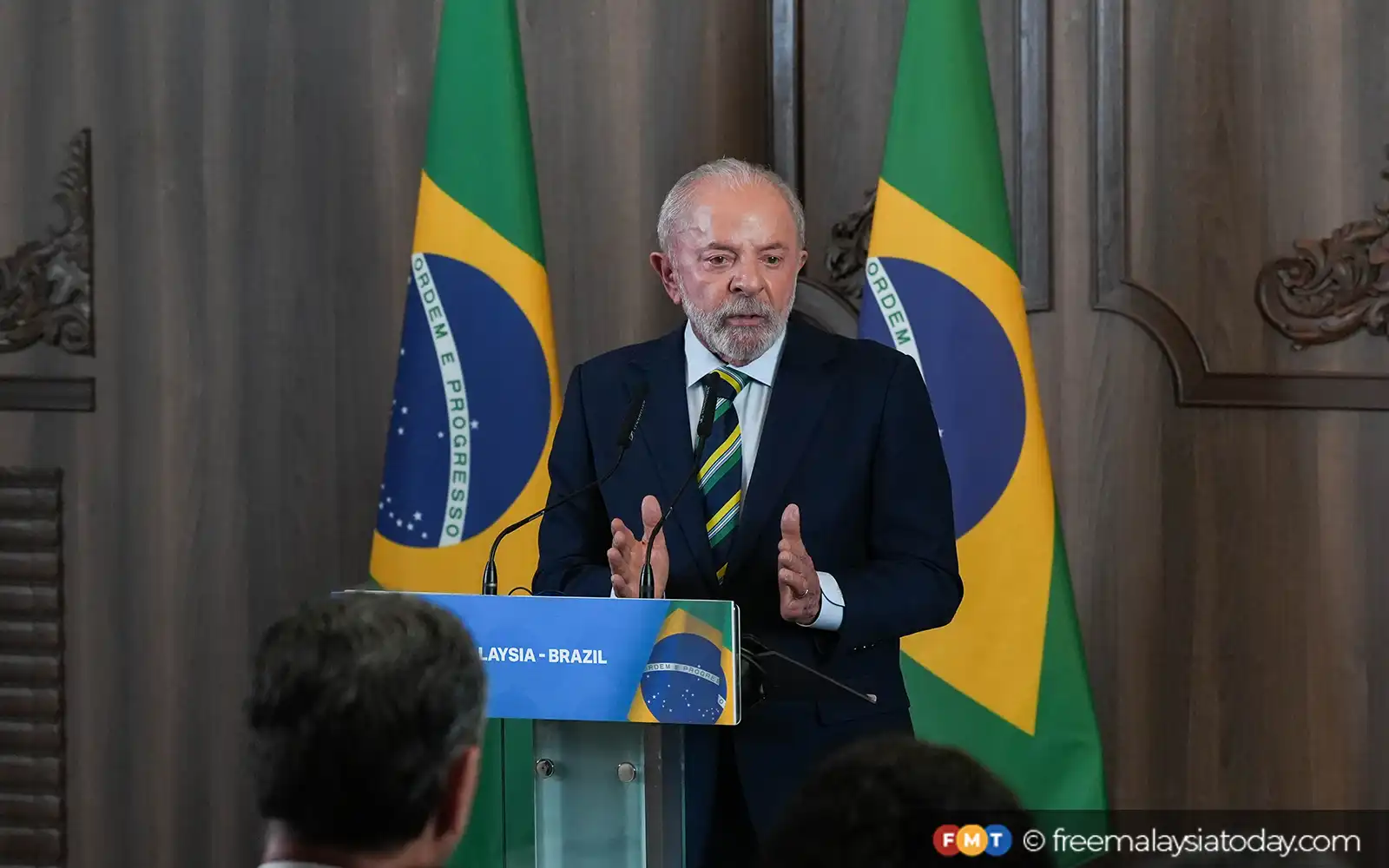
SAO PAULO: Brazilian President Luiz Inacio Lula da Silva said yesterday that an income tax reform he signed into law last week will inject R$28 billion (US$5.25 billion) into the country’s economy next year.
The reform was among the leftist leader’s key political pledges as he prepares for next year’s presidential race.
It sets the monthly income tax exemption threshold at R$5,000, more than three times the minimum wage, from the current R$3,036.
It also lowers the tax burden for workers earning up to R$7,350 a month.
The president said in a TV address that the reform “attacks the main cause of inequality” in Brazil and “will be an extraordinary stimulus” for trade, industry and services”.
A tax on individuals with annual income above R$600,000 was passed to offset revenue losses.
“This income tax relief means more money in people’s pockets, which means greater purchasing power and increased consumption,” Lula said.
“It is a decisive step toward transforming this reality (of inequality), but it is only the first. You can be sure we will not stop there,” he added.